Sealing the Threshold: The Chilling Roman Burial Rite Unearthed in Italy
Archaeologists excavating the Ostiense Necropolis uncovered an ancient Roman burial rite: iron nails placed upon chests to stop the dead from roaming the earth.

Know Something Relevant
Archaeologists excavating the Ostiense Necropolis uncovered an ancient Roman burial rite: iron nails placed upon chests to stop the dead from roaming the earth.
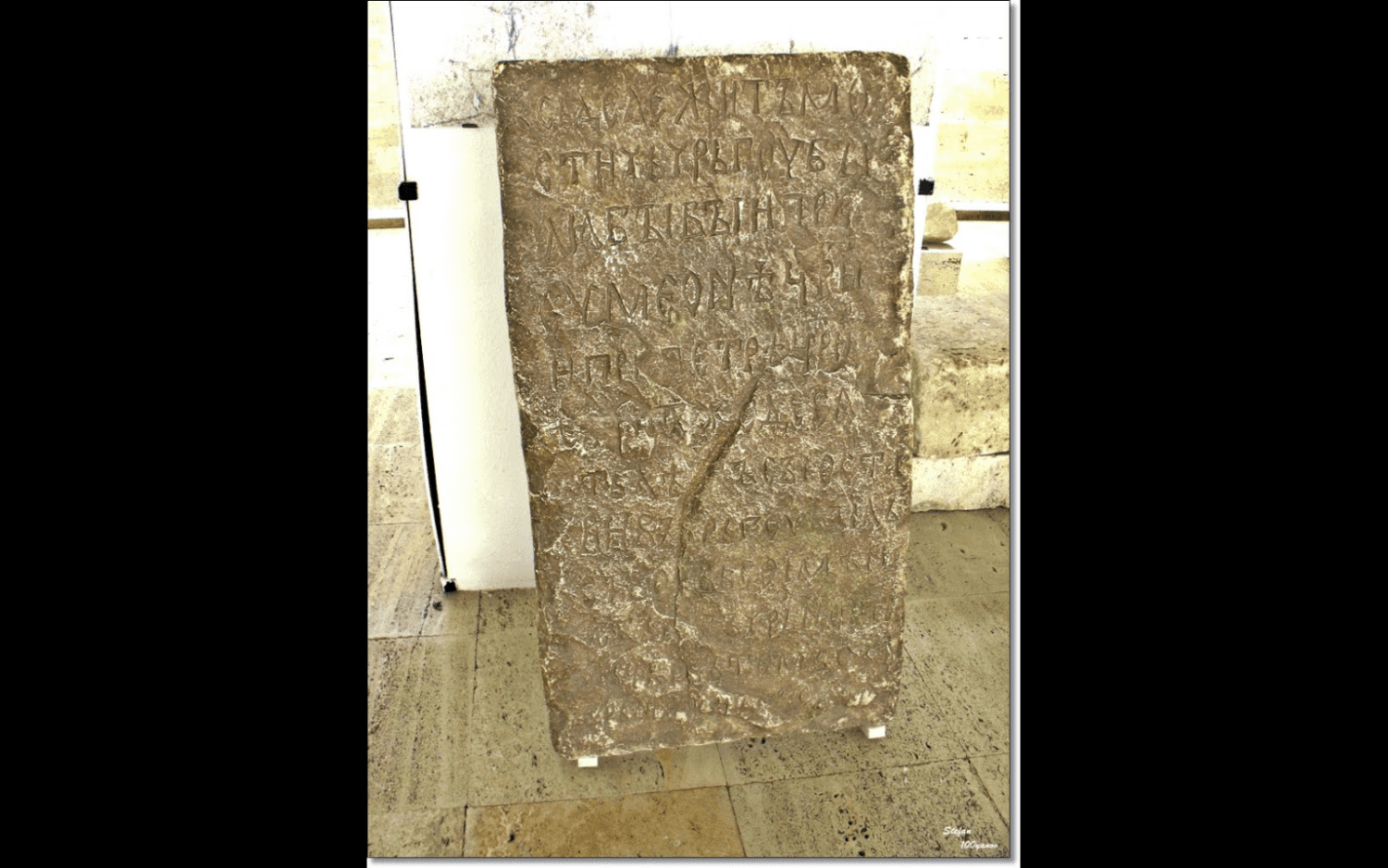
A newly reinterpreted Old Bulgarian inscription found at an ancient Greek temple site reveals a hidden archive blending Byzantine, Slavic, and Turkic heritages.
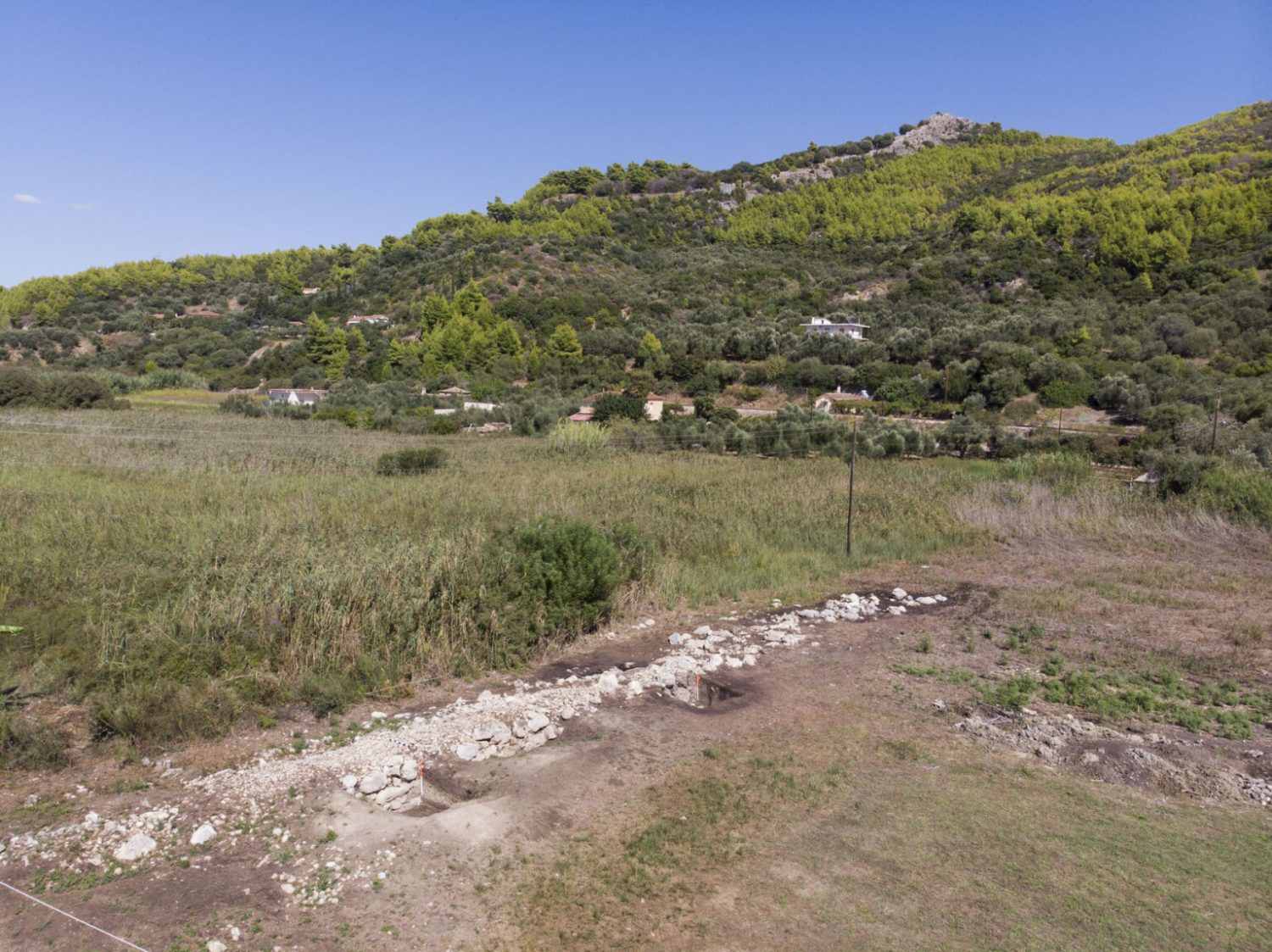
Archaeologists have discovered a 2600 year old Greek temple at Kleidi Samikon and revealed a hidden bronze archive that alters our views of early civilizations.
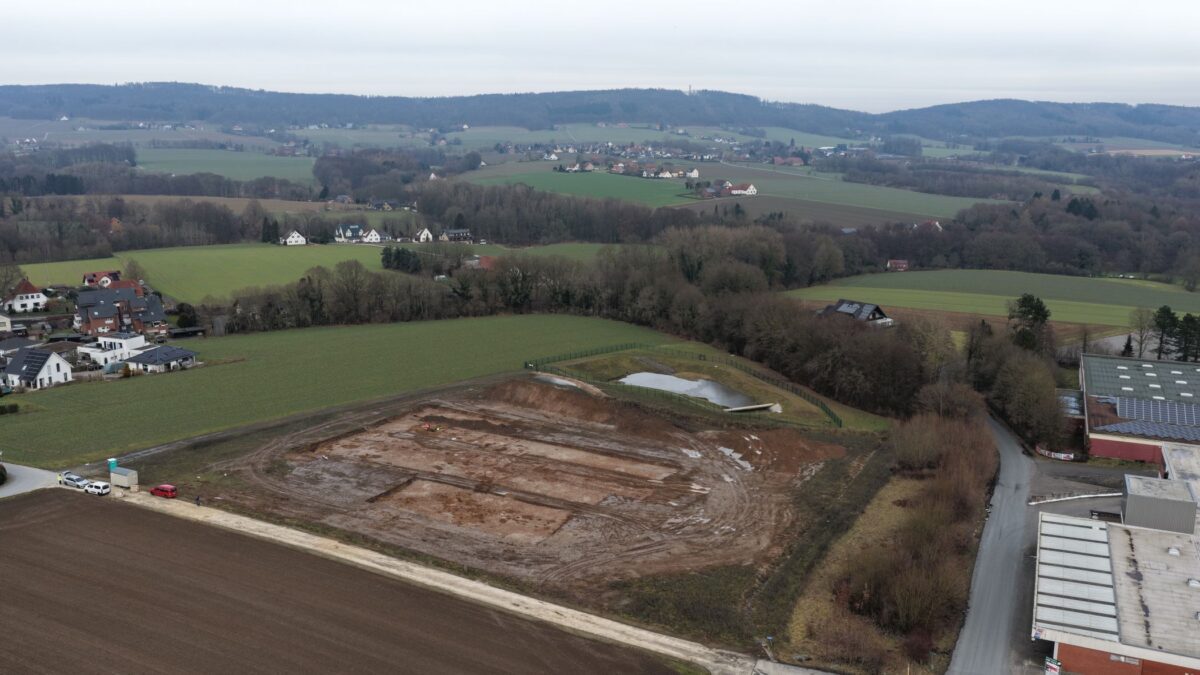
When workers began excavating land for a new fire station in Hullhorst Germany, they accidentally uncovered an ancient Iron Age settlement hidden below the mud.
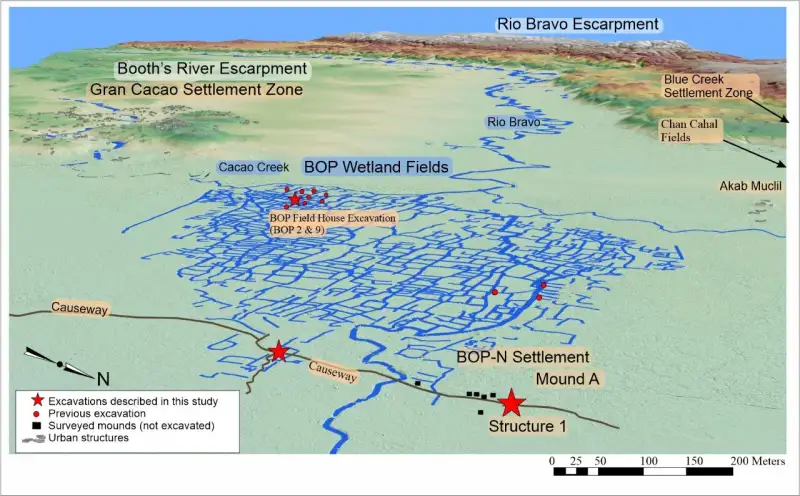
A newly discovered wooden village in the wetlands of Belize reveals how the Maya people survived and adapted for centuries after their great stone cities collapsed.
A 1,300-year-old bronze plaque of ‘praying’ bears, found in an elite woman’s grave in Altai, reveals the southernmost evidence of a Siberian taiga bear cult.
Archaeologists at a Greek lake shore have discovered the oldest wooden tools ever, dated to 430,000 years, offering a rare glimpse into Paleolithic ingenuity.
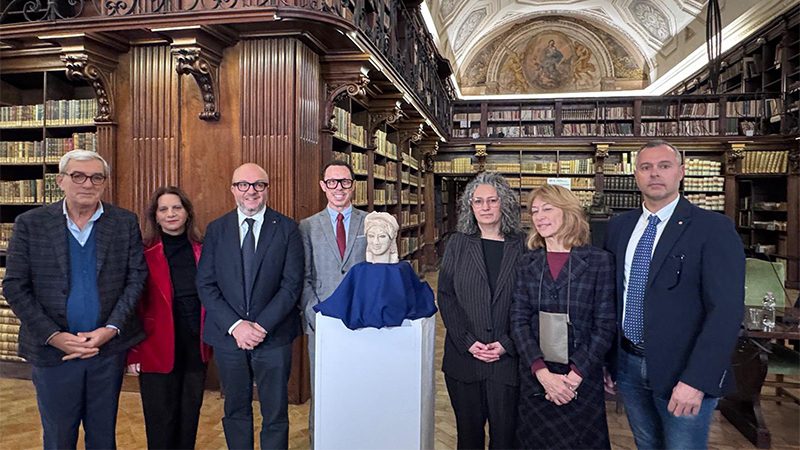
Archaeologists in Vulci, Italy, have unearthed a 2,500-year-old Greek kore head, a rare find revealing deep Hellenic artistic influence on the Etruscan civilization.
Archaeologists have uncovered extensive Late Period industrial workshops and a Roman necropolis in Egypt’s Nile Delta, revealing the secrets of ancient craftsmanship.
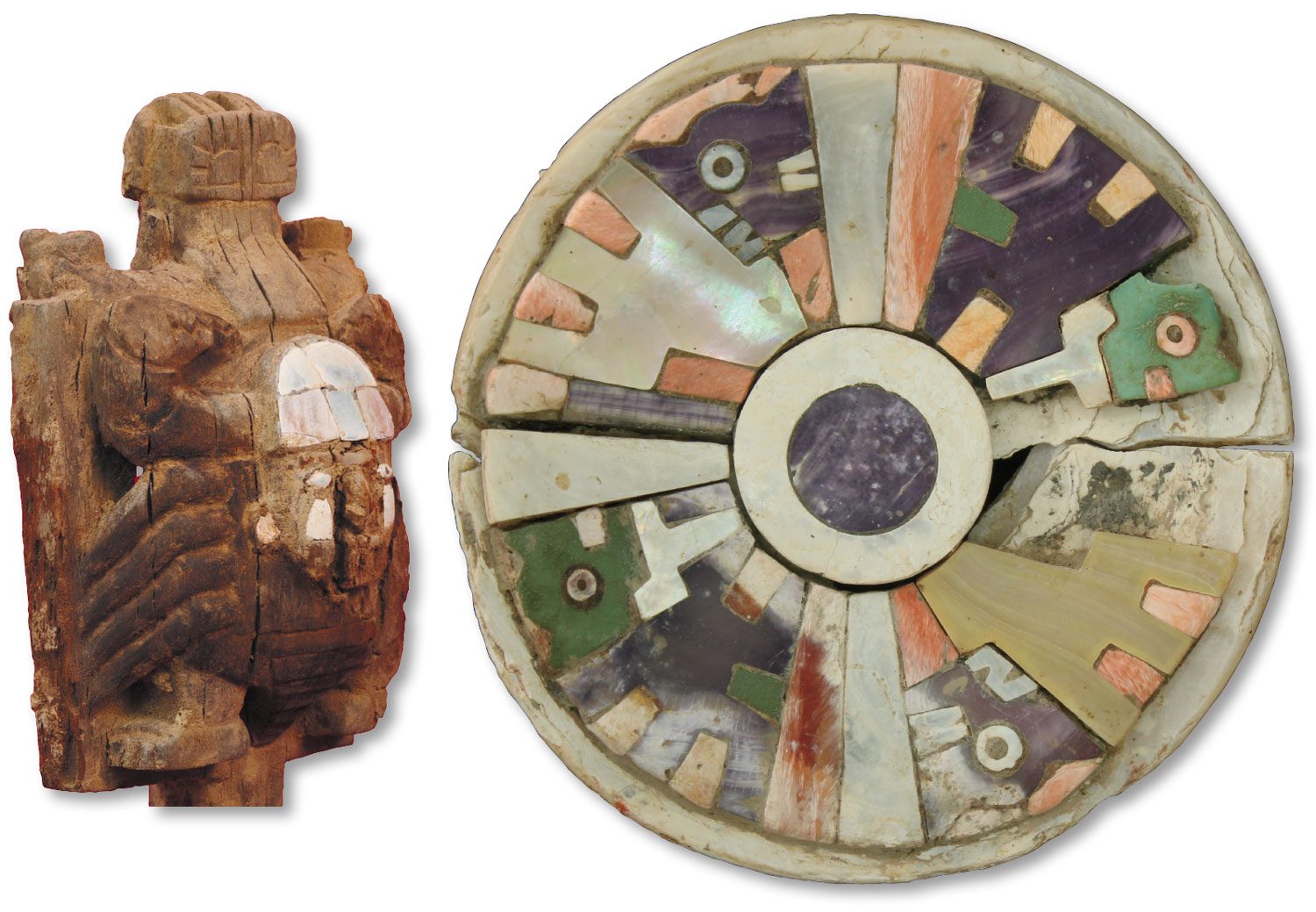
A groundbreaking discovery at Pampa la Cruz, Peru, reveals a 1,000-year-old tomb where Moche and Wari cultures met, creating a unique hybrid art and burial style.
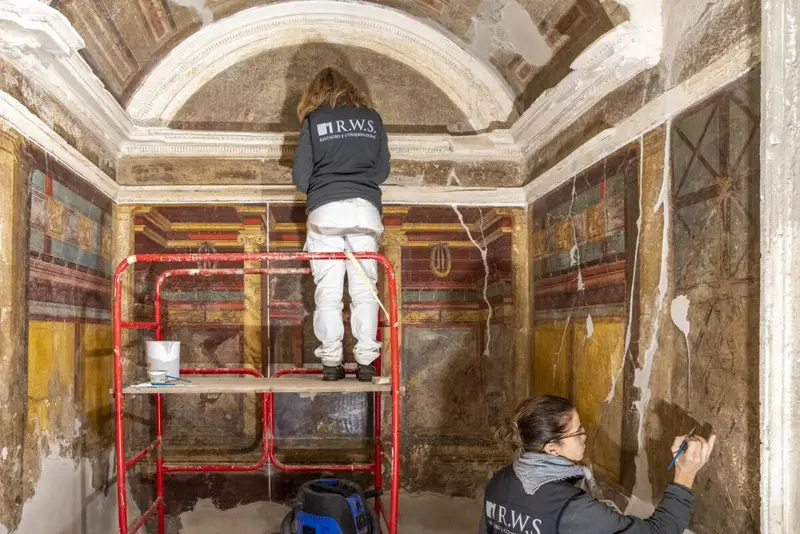
Archaeologists have uncovered spectacular new frescoes at the Villa di Poppea, thought to belong to Nero’s wife. Discover the vibrant peahen and theatrical masks frozen in time.
Archaeologists in Guatemala have unearthed a unique mosaic game board from the Maya city of Naachtun, revealing new insights into ancient leisure, labor, and cosmology.
In a rare discovery, archaeologists have found 5,000-year-old hemp textiles in Bulgaria’s Magura Cave, preserved by a unique microclimate. The find reveals new details about Early Bronze Age technology and culture, bridging a critical gap in European prehistory.
A monumental stone basin, hidden for 2,000 years in Gabii near Rome, reveals unprecedented insights into early Roman urban planning and grand public spaces. root source: Source: ScienceDaily article on the monumental Roman basin in Gabii, published 2 Dec 2025.
Archaeologists discovered that the Neo-Assyrian Empire forcibly relocated 4.4 million people over 250 years, creating history’s largest ancient migration. Rather than destroying foreign cultures, deportees in Aššur’s expanded districts preserved their burial traditions and identities, revealing surprising tolerance within the imperial heartland.
GUARD Archaeology discovered Scotland’s most significant Bronze Age hoard in 2016 on land designated for football pitches. The Carnoustie Hoard contains a rare gold-decorated spearhead and bronze sword, revealing sophisticated warrior culture from 3,000 years ago.
Ancient fossils discovered in a Greek village are challenging 154 years of human evolutionary science. The 8-9 million-year-old jaw bones suggest our ancestors evolved in Europe before migrating to Africa, completely reversing Darwin’s accepted theory. University of Toronto researchers believe these remains could rewrite every textbook about human origins, though many scientists fiercely reject this revolutionary claim.
A fossilized jawbone found off Taiwan confirms Denisovans lived in Southeast Asia, expanding their known range and reshaping human evolutionary history.
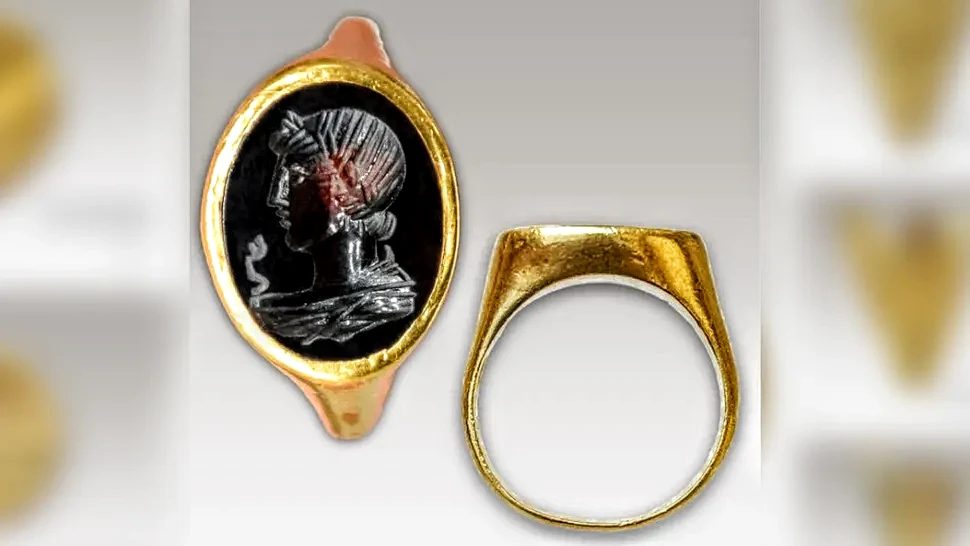
A 2,000-year-old Greek tomb near Corinth, later transformed into a healing shrine, reveals an Apollo ring and ritual artifacts, shedding light on ancient medicine and spirituality.
Ancient DNA and isotopic analysis of 2,100-year-old remains in Mongolia reveal Han soldiers conscripted for the Han-Xiongnu War, reshaping our understanding of the conflict.
The 2,200-year-old “Red Princess of the Silk Road” was found with cinnabar-stained teeth, marking the first known instance of this ancient cosmetic or ritual practice.
A mysterious Manteño burial in Ecuador reveals the remains of a pregnant woman missing limbs, suggesting ritual sacrifice and fertility-linked traditions.
Recent research utilizing multi-sensor data and cloud-computing has confirmed that the ancient city of Lothal, a vital commercial hub of…
Maya Palace Complex Discovery: Insights into Ancient Political and Religious Life Introduction Deep in the heart of Mexico, archaeologists have…
Peru is a country rich in ancient history and culture, and archaeologists are constantly uncovering new secrets from its past.…