Imagine digging a secret tunnel deep into the dark earth hoping to pull out glittering ancient treasure. Grave robbing is usually an absolute tragedy for historians because so much valuable context is lost forever to the black market. But sometimes human history has a wonderfully ironic sense of humor. In southern Germany an ancient crime scene has unexpectedly become a miraculous time capsule. The thieves took what they thought was incredibly valuable and tossed aside items they considered worthless. Today we know the brilliant truth. The discarded trash of ancient thieves has given modern researchers a priceless window into the distant past revealing a story that gold could never tell.
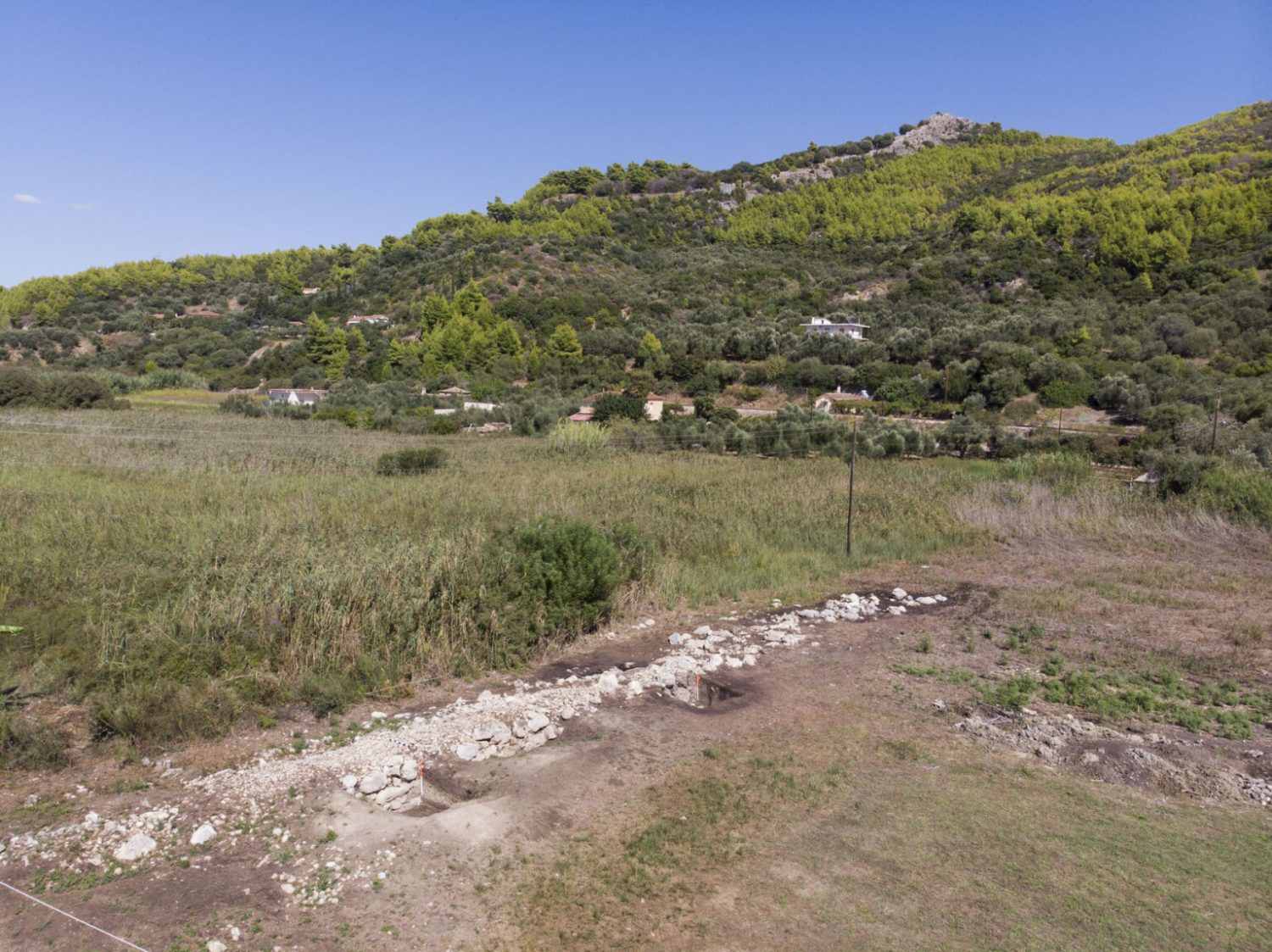
The fascinating story begins near the quiet town of Riedlingen where a massive mound of earth rises prominently from the surrounding landscape. Measuring roughly sixty five meters across and originally standing at least six meters tall this imposing structure is one of the largest ancient burial mounds in the entire region. Since the year two thousand and twenty three a dedicated team of state experts has been carefully peeling back layers of dirt. They wanted to know exactly who was buried inside and what magnificent secrets the earth was hiding. What they uncovered was a dark crime scene over two millennia old. Someone had violently broken into the tomb long before modern archaeologists ever arrived. How much history had been permanently lost to the greedy hands of these early plunderers.
The tomb firmly belongs to the ancient Celtic people and dates back to a mysterious time long before the Roman Empire dominated the European continent. To pinpoint exactly when the tomb was built scientists used a fascinating method called dendrochronology. This brilliant scientific technique involves studying the natural growth rings inside preserved wood. By carefully comparing the distinct patterns of tree rings in the oak timber of the burial chamber with known historical records experts pinpointed the exact year the majestic trees were cut down. The year was precisely five hundred and eighty four before the common era. But the ancient wood told another compelling story too. It revealed exactly how the tomb was breached and how the very act of breaking in managed to save the most fragile artifacts imaginable. Why did the partial destruction of a grand tomb lead to its ultimate preservation against all odds.
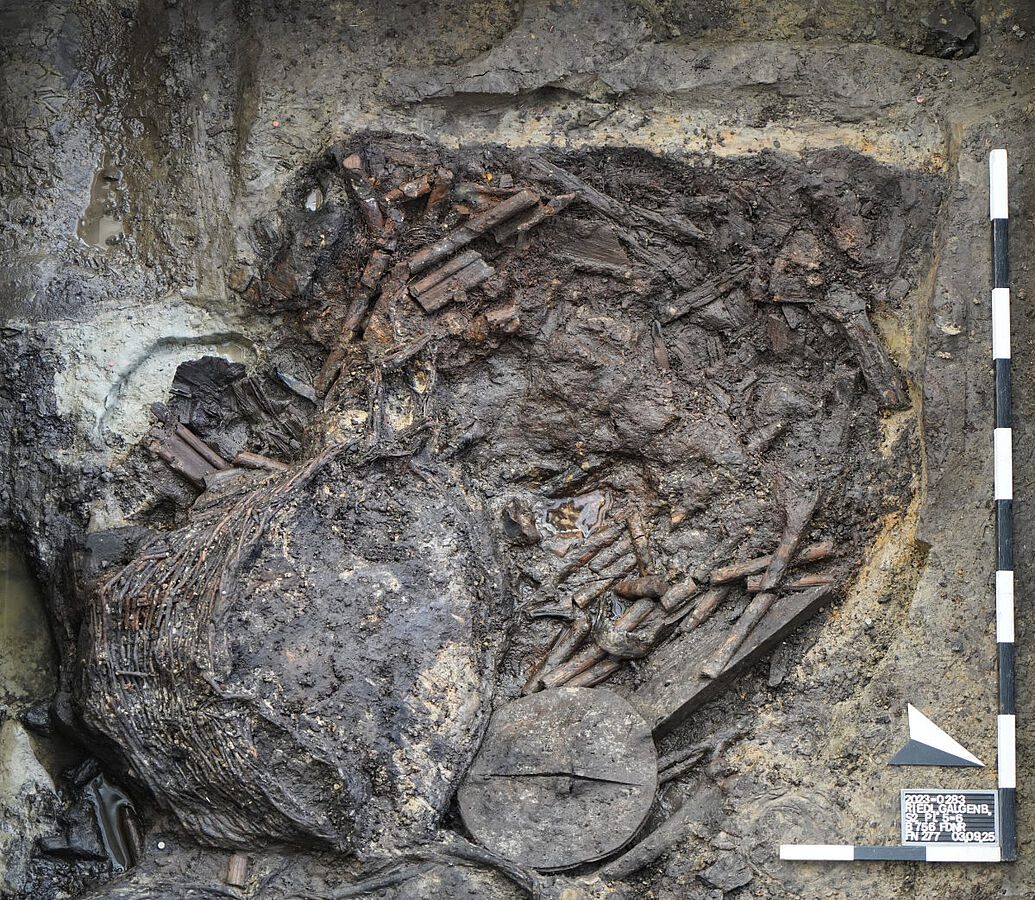
When the ruthless looters dug their tunnel down into the underground chamber they disrupted the original structure and accidentally created a unique trap. Over the passing centuries their tunnel eventually collapsed and effectively sealed itself off from the outside world. This sudden structural collapse allowed deep groundwater to pool inside the dark isolated space. The murky water completely saturated the surrounding soil and drove out all the remaining oxygen creating a perfectly stagnant environment. Without oxygen the hungry microscopic bacteria that normally rot away delicate organic materials simply could not survive. Thanks to this accidental water seal modern excavators found objects that almost never survive from the ancient world. The thieves had carelessly discarded their own simple tools in their desperate rush for riches. Researchers uncovered two large wicker baskets discarded in the dirt and a torch made of birchwood which the criminals used to light their subterranean path.
Far more astonishing than the basic tools of the robbers were the delicate remnants of the original burial they left behind in their frantic scramble for precious metals. The uneducated looters tossed aside fragments of intricately carved wooden furniture parts of an ornate ceremonial wagon woven textiles and thick animal furs. Perhaps the most stunning find of all was a thin delicate strip of birch bark beautifully decorated with the image of a stylized horse. This highly specific kind of figurative Celtic art from such an early period is incredibly rare making it an unparalleled discovery for historians around the globe. Amidst these carelessly scattered treasures archaeologists found the skeletal remains of a young man between the ages of seventeen and nineteen. He had likely been violently dragged out of his resting place and roughly wrapped in a thick bearskin fur by the robbers. The sheer undeniable wealth of the remaining goods strongly suggests he belonged to the absolute highest levels of Celtic society possibly connected to the nearby settlement of Heuneburg which modern experts describe as the oldest ancient city north of the Alps.
The opportunistic looters who broke into this grand tomb centuries ago were entirely focused on shiny metals and quick wealth. They had absolutely no idea that their hastily discarded baskets their dropped wooden torches and the oxygen poor water trap they accidentally created would be far more valuable to future generations than any gold they managed to steal away. According to research reported by Arkeonews based on findings from the state archaeology department in Baden Wurttemberg this extraordinary site continues to rewrite our deep understanding of early European history. The thieves came purely for gold but they inadvertently gifted humanity the true immortal treasure of eternal history.