The banks of the Dnieper River in southern Ukraine have silently witnessed the passage of countless generations. Beneath the Eurasian steppe lies a hidden world where ancient people buried their dead with rituals we are only just beginning to understand. The soil here is a vault of history. When archaeologists recently opened the earth at a site known as Chervony Mayak, they expected to find usual traces of ancient habitation. Instead they uncovered a scene that was hauntingly beautiful and mysterious. Inside a grave nearly two thousand years old, scattered among bones and decaying artifacts, lay fragments of a vivid scarlet stone. The mineral possessed an almost supernatural red glow defying the darkness of the tomb. Its presence immediately sparked a compelling mystery. Why would an ancient nomadic culture gather and deposit this brilliant red rock alongside their deceased, and what secret power did they believe it held?
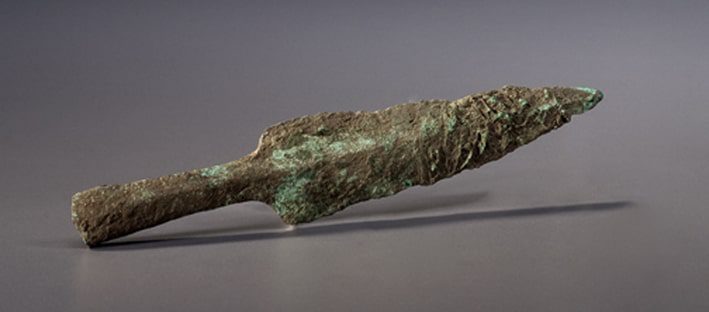
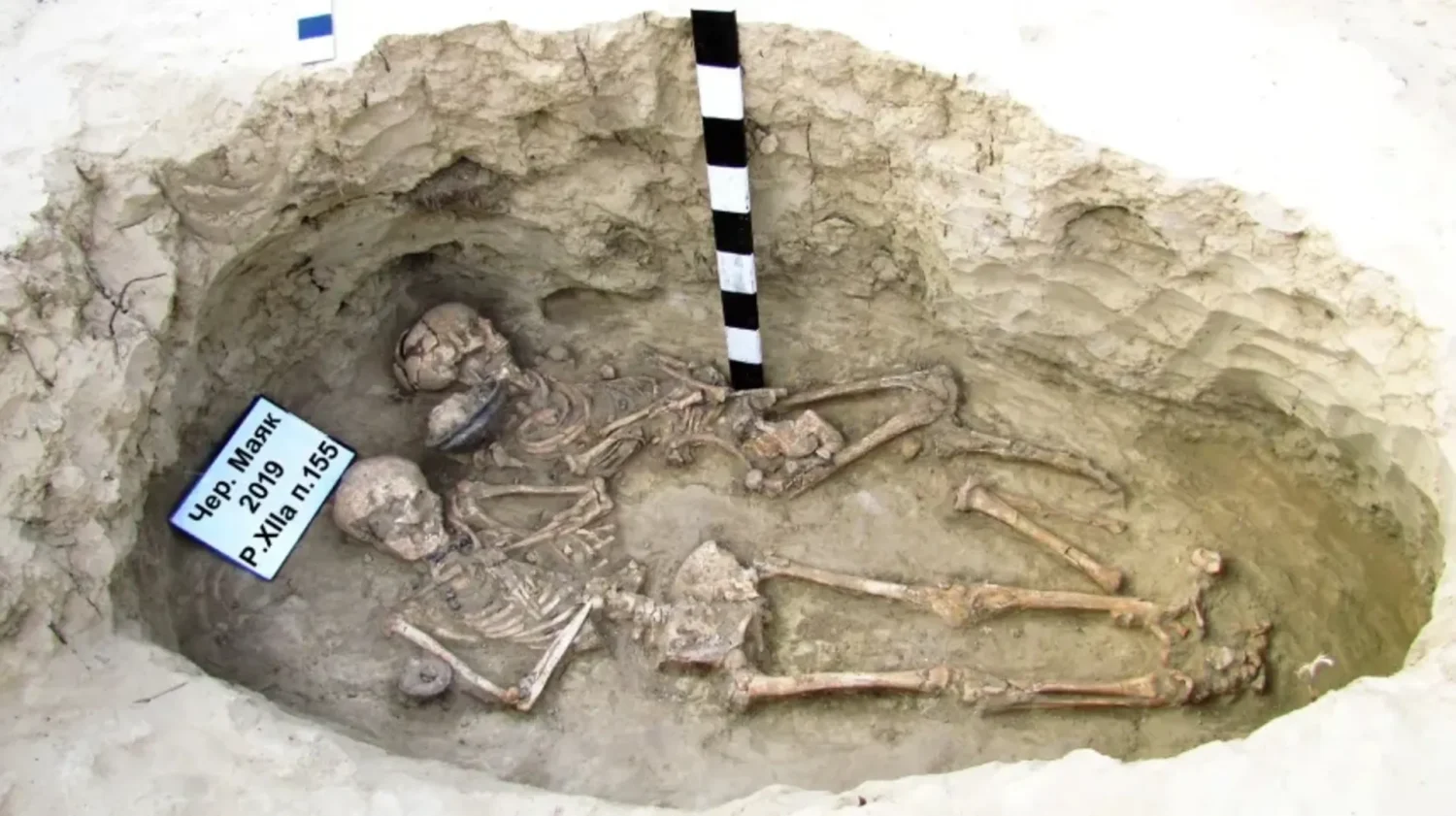
The grave tells a fascinating story of companionship and the passage of time. It is a double burial containing the remains of two women from the ancient Scythian culture. The first woman was aged between thirty five and forty five when she was laid to rest. Some time later the tomb was opened again to receive a second occupant, a young woman aged between eighteen and twenty. The ancient mourners carefully placed both individuals alongside everyday treasures meant for the afterlife. Archaeologists found delicate beads, intricate pottery, and various metal items. Yet the most striking feature was not the crafted jewelry or clay vessels. It was the presence of those bright red lumps scattered purposefully within the resting place. This scarlet mineral is known as cinnabar, a substance highly prized throughout the ancient world. But behind its captivating color lies a terrifying reality these women likely never grasped.
To understand this discovery, we must look at how ancient cultures viewed color. For at least fifteen thousand years, early humans across Europe and Asia used red pigments like ochre in burial rituals. Red is the color of blood, representing vitality and warmth. When someone died, the natural flush of their skin vanished. Sprinkling red powder over the newly deceased was a symbolic attempt to restore that lost warmth, breathing a visual illusion of life back into a cold body. Cinnabar produces a remarkably deep shade of red known commercially as vermilion, making it a magnificent pigment and desirable cosmetic. Researchers noted a crucial detail about this specific site. Every grave containing cinnabar belonged exclusively to women. This strongly suggests the mineral was part of an intimate female cosmetic tradition, perhaps an ancient beauty routine preparing these women for eternity.
However, the Scythians may have discovered a second, far more practical use for the scarlet stone. Scythian burial practices were complex and involved returning to the dead. Crypts were not permanently sealed but designed to be reopened over several decades to accept new family members. Managing a tomb containing decomposing remains presents significant challenges. Cinnabar possesses powerful antibacterial properties. Modern researchers believe the ancient Scythians might have intentionally used the mineral to slow down the decomposition of earlier occupants. By applying the red substance they could preserve their ancestors and manage conditions inside the crypt for future burials. It was a brilliant solution derived from nature, yet it carried an invisible curse.
The vibrant red stone providing such beautiful color and slowing decay is entirely composed of mercury sulfide. Cinnabar is one of the most lethally toxic substances found in the natural world. When the mineral is processed or heated, it releases invisible mercury vapors into the air. These vapors silently accumulate within the human body causing severe neurological damage, violent tremors, progressive breathing failure, and eventually death. The women who ground the scarlet stones to color their faces and the families who prepared these graves had no concept of chemistry. They possessed no instruments to measure the heavy metal seeping into their lungs. They simply saw a powerful material honoring their loved ones.
This profound discovery reminds us how closely beauty and danger were intertwined in the ancient past. The desire to look beautiful and properly care for family led these nomadic people to embrace a deadly poison. We only know of these fascinating details thanks to modern scientific investigation. According to an article by Live Science reporting on research published in the journal Antiquity by Olena Dzneladze of the National Academy of Sciences of Ukraine, the site continues to reveal new clues about Scythian life. The scarlet stones resting in the dark earth stand as a quiet testament to a universal human impulse. Thousands of years ago, people loved, mourned, and sought out beautiful things to ease the pain of saying goodbye, completely unaware of the peril held within a handful of red dust.