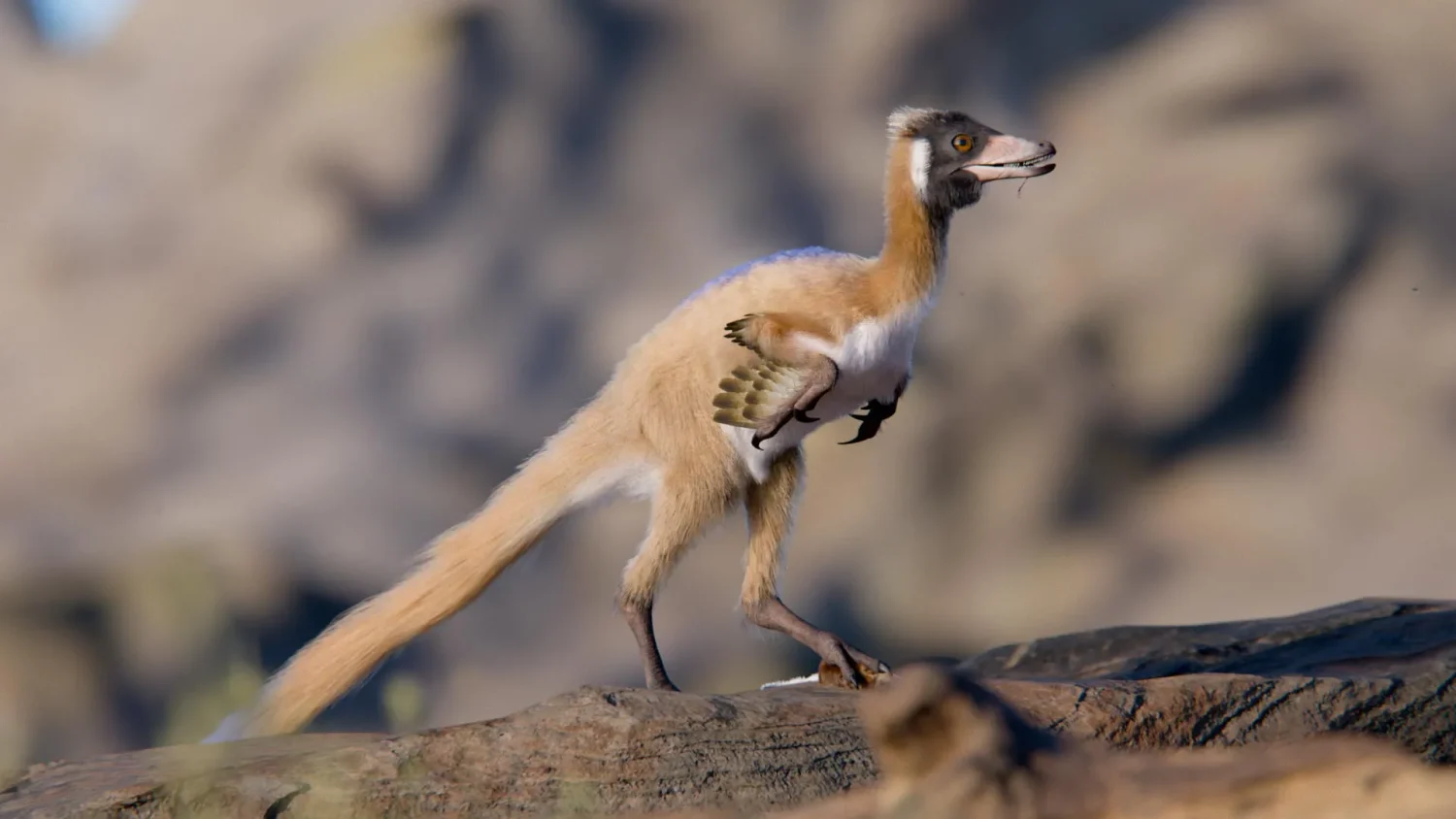
When we picture the age of dinosaurs, our minds instinctively conjure images of towering giants shaking the earth with every footstep. Yet beneath the feet of those colossal beasts scurried creatures that tell an equally fascinating story of survival and change. Imagine a dinosaur that weighed less than a simple bag of sugar. In the windswept badlands of Patagonia in Argentina, researchers have uncovered exactly that. This tiny skeleton is entirely rewriting one of the longest standing timelines in paleontology. It holds the key to an evolutionary puzzle that scientists have struggled to piece together for many decades. The answer lay hidden in the rock, waiting ninety million years to be found. The badlands themselves are a harsh and unforgiving environment, where relentless winds carve through the ancient rock, occasionally revealing secrets that have been locked away since the time of the dinosaurs.\n\nThe fossil was originally discovered back in the year two thousand fourteen at the La Buitrera fossil site in northern Patagonia. This remote location has repeatedly stunned the scientific world by yielding extraordinarily preserved life from the Cretaceous period. But unearthing the bones from the ground was only the beginning of a massive undertaking. The skeleton was incredibly fragile. Extracting it from its ancient stone casing required almost ten years of painstaking preparation. Researchers spent thousands of hours delicately clearing away grains of sediment before they could even begin to fully analyze the remains. As the dust finally settled, they realized they were looking at a nearly complete skeleton of a species named Alnashetri cerropoliciensis. Weighing under two pounds, this little animal would have barely made a sound as it darted through the underbrush of its ancient forest home.\n\nTo understand why this creature is so monumental, one must look at the bizarre family tree to which it belongs. Alnashetri is part of a group of bird like theropod dinosaurs known as alvarezsaurs. For a very long time, these animals baffled experts. They possessed an incredibly strange combination of physical traits, including tiny teeth and extremely stubby arms that ended in a single oversized thumb claw. Paleontologists wondered how such an unusual body plan evolved. Did they develop these odd specialized features while they were still large and then shrink over time? This was the accepted theory for a long period, but the delicate bones from Patagonia were about to flip that entire assumption completely upside down.\n\nThe exceptional preservation of the skeleton gave scientists a pristine window into the past. Because the remains were so complete, researchers could clearly see that this tiny creature still retained slightly longer arms and larger teeth compared to its later relatives. This proved beyond any doubt that alvarezsaurs shrank to miniature body sizes first. Only after they became tiny did they slowly develop their extreme specialized features like the stubby arms and massive single claws. The timeline was entirely backward from what the scientific community had assumed. Evolution had driven them to miniaturize before equipping them with the bizarre tools they would use to survive.\n\nThis discovery solved one major riddle, but it also opened the door to answering another massive question. If these animals were so small, how did their fossils end up scattered across the globe? By examining similar fossils housed in museum collections across North America and Europe, the research team uncovered a remarkable truth. These little dinosaurs appeared on the earth much earlier than anyone previously believed. They were already thriving and spreading across the landscape back when the planet featured a single massive supercontinent known as Pangaea. Before the great landmass fractured into the continents we recognize today, these creatures had already established themselves across vast territories.\n\nTheir worldwide distribution was not the result of impossible migrations across vast oceans. Instead, they were passengers on a changing planet. As the massive supercontinent slowly tore apart, the drifting landmasses carried isolated populations of these tiny dinosaurs along with them. They were simply separated by the shifting of the earth itself. The oceans flooded into the newly formed rifts between the continents, permanently dividing families that had once roamed together. This realization paints a vivid picture of a small but resilient family of creatures adapting to a world that was physically breaking apart beneath their feet. It shows how the grand geological movements of our planet directly shaped the path of biological evolution.\n\nThe journey of understanding these fascinating creatures continues today. According to an article published by ScienceDaily detailing a landmark study from the University of Minnesota and Universidad Maimonides in the journal Nature, the next chapter of the alvarezsaur story is already being meticulously cleaned in a laboratory in Patagonia right now. As scientists gently brush away the ancient dirt from new specimens, we are reminded that sometimes the most monumental secrets of our planet are whispered by its smallest inhabitants.
The Tiny Dinosaur That Rewrote History in Patagonia