Imagine a world where all the data created in a year—every text, photo, and video—could fit into a device the size of a sugar cube. Sounds like science fiction, right? Well, not anymore. Scientists have made a breakthrough that could turn this dream into reality.
What’s the Big Deal?
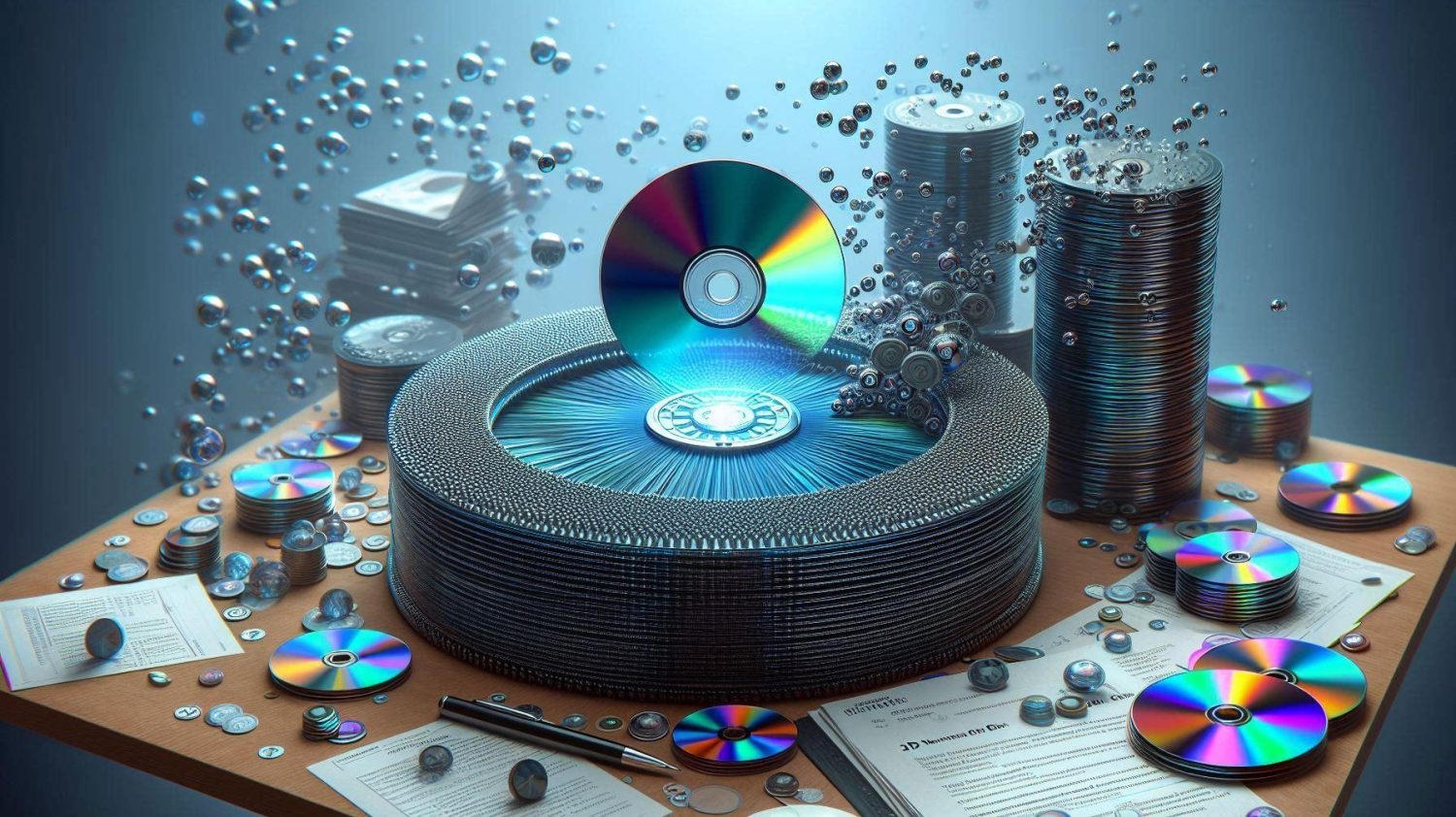
Data is growing exponentially, and so is our need to store it efficiently. Until now, we’ve been using two-dimensional surfaces to store data—think of a vinyl record or a DVD. But researchers have found a way to break through this flat world into the realm of 3D, allowing us to store data in multiple layers, not just on the surface.
Breaking the Limits

The key to this innovation is something called a 3D nanoscale optical disk memory system. It’s a mouthful, but here’s what it means in simple terms:
– 3D: Data is stored in three dimensions, which means more storage in less space.
– Nanoscale: We’re talking incredibly small. A nanometer is one-billionth of a meter!
– Optical Disk: It uses light (like lasers) to read and write data.
– Memory System: It’s a new way to store and retrieve information.
Why Should You Care?
This new technology is not just about cramming more songs into your phone. It’s about the future of technology. With this kind of storage capacity, we could see advances in everything from artificial intelligence to medical research. Plus, it’s more durable and energy-efficient, which is good news for both your wallet and the planet.
The Takeaway
The next time you hear about 3D nanoscale optical disk memory, think of it as a tiny cube with superpowers, ready to take on the world’s data storage challenges. And who knows? Maybe one day, you’ll carry the Library of Congress in your pocket!
Source:
Researchers demonstrate 3D nanoscale optical disk memory with petabit capacity
https://phys.org/news/2024-02-3d-nanoscale-optical-disk-memory.html