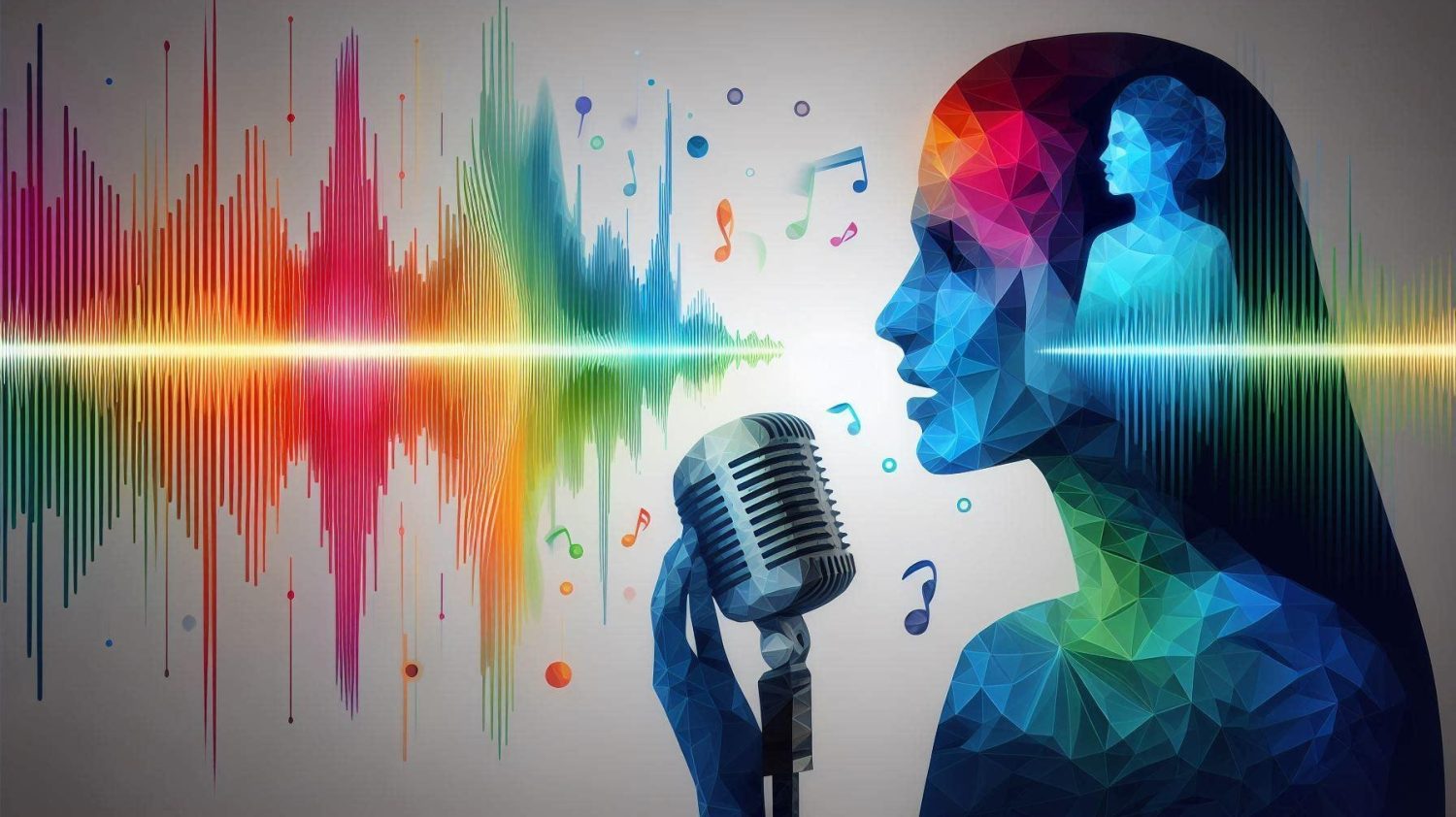
Speech is one of the most fundamental ways of human communication. It allows us to express our thoughts, feelings, and needs to others, and to connect with them on a deeper level. However, for millions of people around the world, speech is not an option. They may have speech limitations due to various medical conditions, disabilities, or age-related factors that affect their ability to produce or articulate sounds.
Fortunately, artificial intelligence (AI) is offering new hope and possibilities for people with speech limitations. AI is a branch of computer science that aims to create machines or systems that can perform tasks that normally require human intelligence, such as understanding language, recognizing images, or making decisions. AI can also help people with speech limitations to communicate more effectively and independently, by providing them with tools that can recognize, translate, or synthesize their speech.
In this blog post, we will explore some of the ways that AI is helping people with speech limitations to speak and be heard.
AI-powered speech recognition
Speech recognition is the process of converting spoken words into text or commands that can be understood by a computer or a device. Speech recognition can be used for various purposes, such as dictating documents, controlling smart home devices, or searching the web. However, most speech recognition systems are designed for standard or typical speech, which means that they may not work well for people with speech limitations, such as stuttering, dysarthria, or aphasia.
To address this challenge, some AI researchers and developers are creating speech recognition systems that can adapt to different or non-standard speech patterns, by using machine learning and deep learning techniques. Machine learning is a subset of AI that involves training a computer to learn from data and improve its performance over time, without being explicitly programmed. Deep learning is a type of machine learning that uses multiple layers of artificial neural networks, which are inspired by the structure and function of the human brain, to process complex data.
For example, Google’s Project Euphonia is an initiative that aims to train speech recognition algorithms in non-standard speech, by collecting and analyzing thousands of voice samples from people with speech impairments. The project also uses a personalized model that can learn from each user’s speech and provide more accurate results. Another example is Voiceitt, an Israeli startup that has developed a web-based platform that can recognize up to 31 unspoken commands based on lip and mouth movements, using a pair of eyeglasses that act as a wearable AI-powered sonar system. Voiceitt can also work as a voice to text or as a voice to synthesized speech tool, allowing users to communicate with others or use voice-activated devices.
AI-powered speech synthesis
Speech synthesis is the process of generating artificial speech from text or other input, such as images or emotions. Speech synthesis can be used for various purposes, such as creating audiobooks, narrating videos, or providing feedback to users. However, most speech synthesis systems are based on generic or synthetic voices, which may not reflect the identity or personality of the speaker.
To address this challenge, some AI researchers and developers are creating speech synthesis systems that can generate natural or personalized voices, by using machine learning and deep learning techniques. For example, Microsoft’s Custom Neural Voice is a service that allows customers to create their own custom voice models, by providing a few hours of high-quality voice recordings and a text script. The service then uses a deep neural network to learn the characteristics of the voice and produce a synthetic voice that sounds like the original speaker. Another example is VocaliD, a company that creates personalized synthetic voices for people who cannot speak, by blending their vocal samples with a donor voice that matches their age, gender, and accent. The company also uses a voice bank that collects and stores voice donations from volunteers around the world.
AI-powered speech enhancement
Speech enhancement is the process of improving the quality or intelligibility of speech, by reducing or removing noise, distortion, or interference from the speech signal. Speech enhancement can be used for various purposes, such as enhancing phone calls, podcasts, or recordings. However, most speech enhancement systems are based on generic or statistical models, which may not account for the variability or complexity of speech.
To address this challenge, some AI researchers and developers are creating speech enhancement systems that can adapt to different or challenging speech scenarios, by using machine learning and deep learning techniques. For example, Facebook’s AI Research team has developed a system that can enhance speech in videos, by separating the speech from the background noise and synchronizing the mouth movements of the speaker with the enhanced speech. The system uses a deep neural network that can learn from both the audio and the visual cues of the video, and produce a more realistic and natural speech output. Another example is Whispp, a company that provides an AI-powered speech technology that can help people with low or no voice, by amplifying their whispers and turning them into normal speech. The company uses a machine learning algorithm that can analyze the acoustic features of the whisper and generate a synthetic voice that matches the speaker’s identity and intention.
Conclusion
AI is a powerful and promising technology that can help people with speech limitations to communicate more effectively and independently. By using AI-powered speech recognition, speech synthesis, and speech enhancement tools, people with speech limitations can speak and be heard, and enjoy a better quality of life. However, AI is not a perfect or a complete solution, and it still faces many challenges and limitations, such as ethical, social, or technical issues. Therefore, it is important to continue to research, develop, and improve AI technologies, as well as to collaborate and consult with the people who use them, to ensure that they are accessible, inclusive, and beneficial for everyone.
Source:
(1) AI Gives a Voice for People With Speech Limitations – Goodnet. https://www.goodnet.org/articles/ai-gives-voice-for-people-speech-limitations.
(2) How AI Could Help Give People With Speech Challenges Their … – Lifewire. https://www.lifewire.com/how-ai-could-help-give-people-with-speech-challenges-their-voices-back-7377329.
(3) Assistive technology is AI’s next billion-person market – Axios. https://www.axios.com/2024/01/12/ai-assistive-technology-accessibility.
(4) How AI is Helping people who have speech problems or disabilities. https://creativica.in/how-ai-is-helping-people-who-have-speech-problems-or-disabilities/.
(5) Will AI tech like ChatGPT improve inclusion for people with …. https://theconversation.com/will-ai-tech-like-chatgpt-improve-inclusion-for-people-with-communication-disability-196481.