

Ghost in the Soil: Mysterious Anomaly Detected at Ness of Brodgar
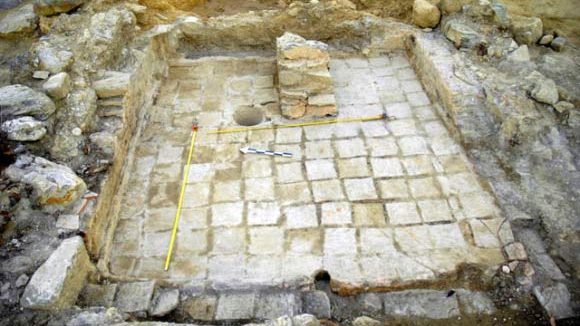
New 3D radar scans at Scotland’s Ness of Brodgar have revealed a mysterious anomaly, prompting a new excavation with Time Team to uncover the site’s secrets.

Know Something Relevant
 Recent

New 3D radar scans at Scotland’s Ness of Brodgar have revealed a mysterious anomaly, prompting a new excavation with Time Team to uncover the site’s secrets.
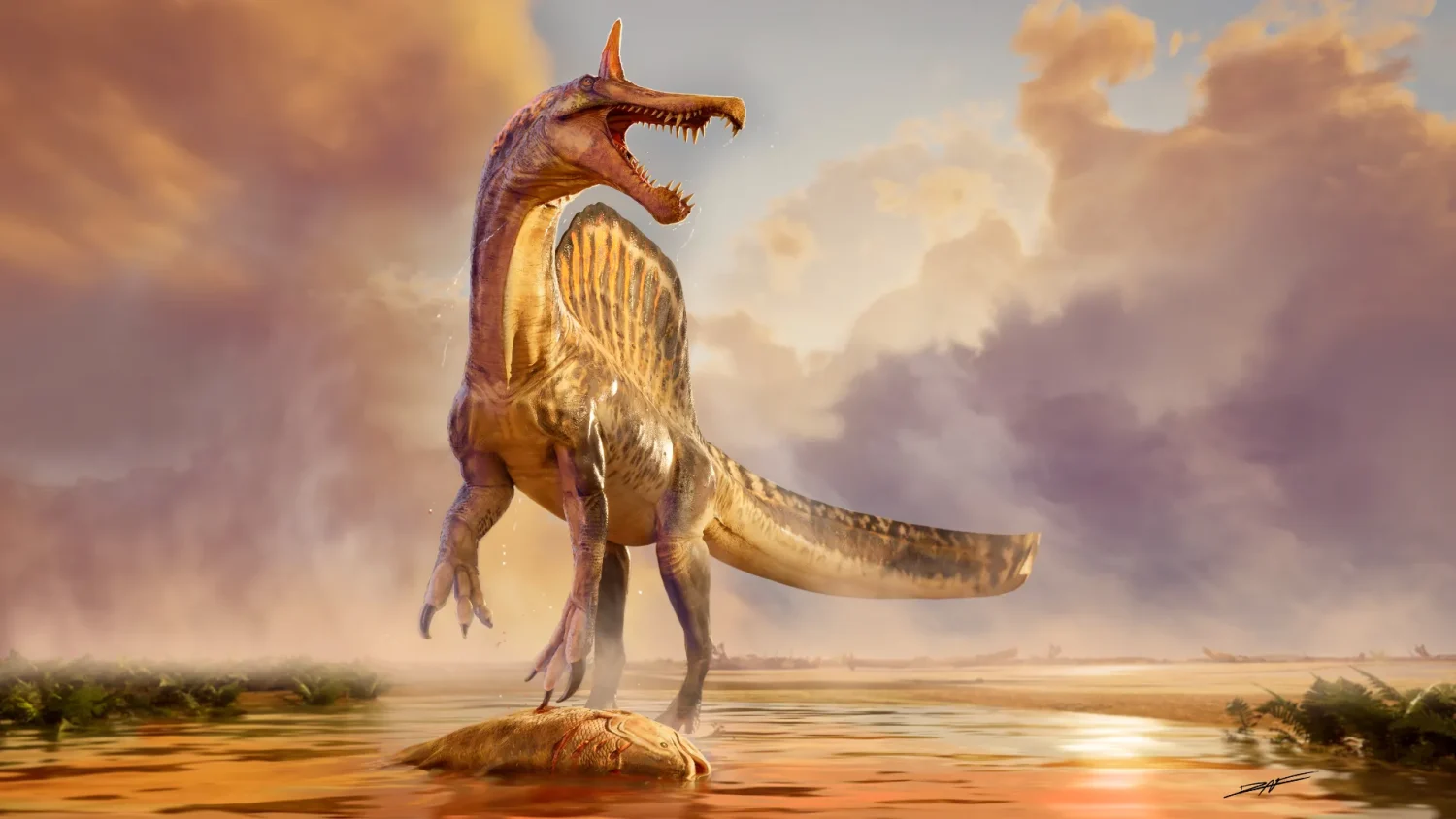
A 95-million-year-old Spinosaurus relative with a scimitar-shaped crest has been discovered. Learn how this ‘hell heron’ hunted in the ancient Sahara.
Scientists reveal that 300 million cubic meters of rising magma caused 28,000 earthquakes in Santorini in 2025, uncovering a hidden volcanic link.
Archaeologists in Oregon have discovered the oldest sewn hide and fine bone needles, revealing advanced Ice Age survival technologies from 12,000 years ago.
New research reveals Neanderthals and early humans reshaped Europe’s landscapes long before farming. Ancient pollen proves nature was never truly untouched.
An 11 year old discovered a 48 million year old turtle fossil in Wyoming’s Green River Formation, revealing secrets of the Eocene epoch and ancient lakes.
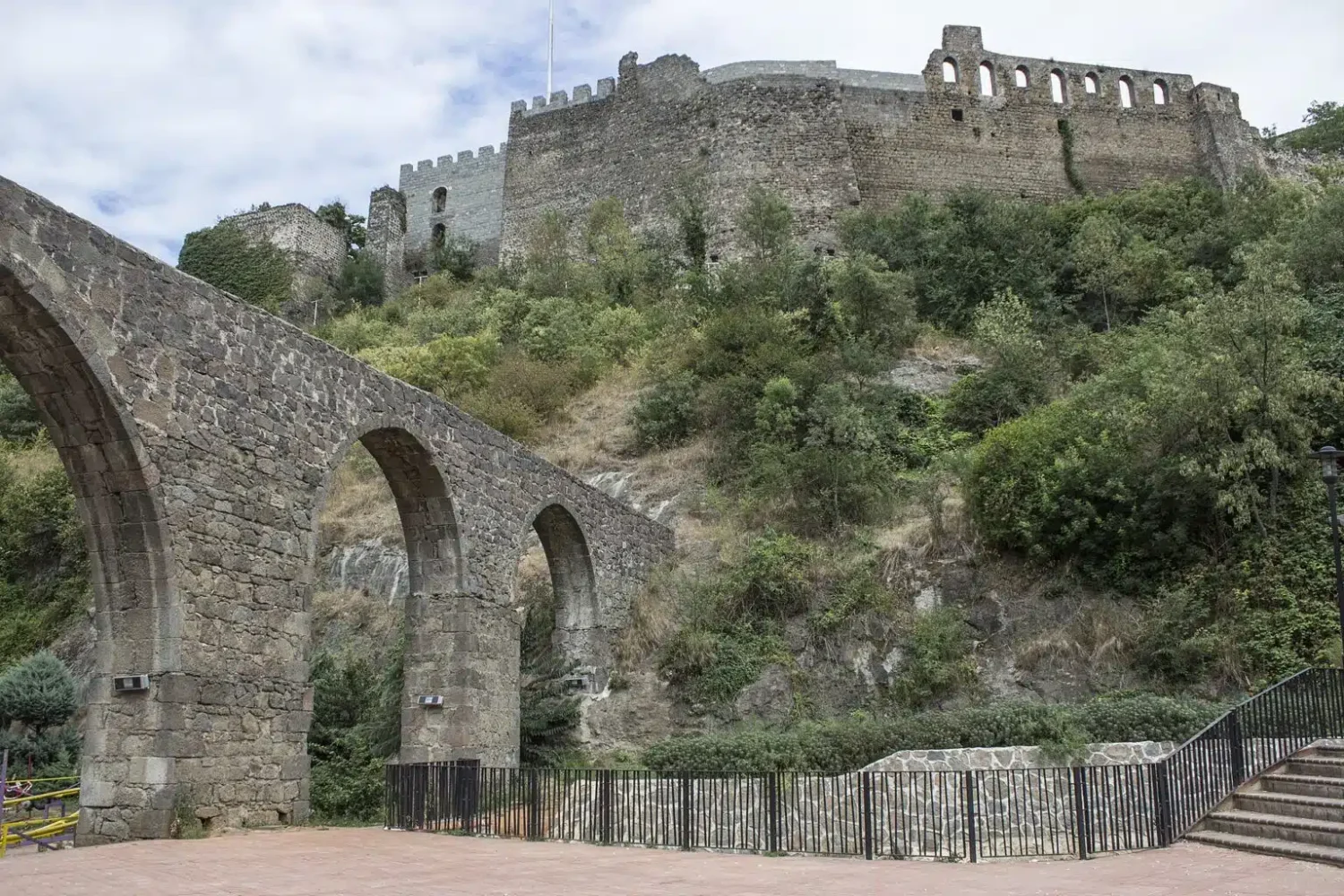
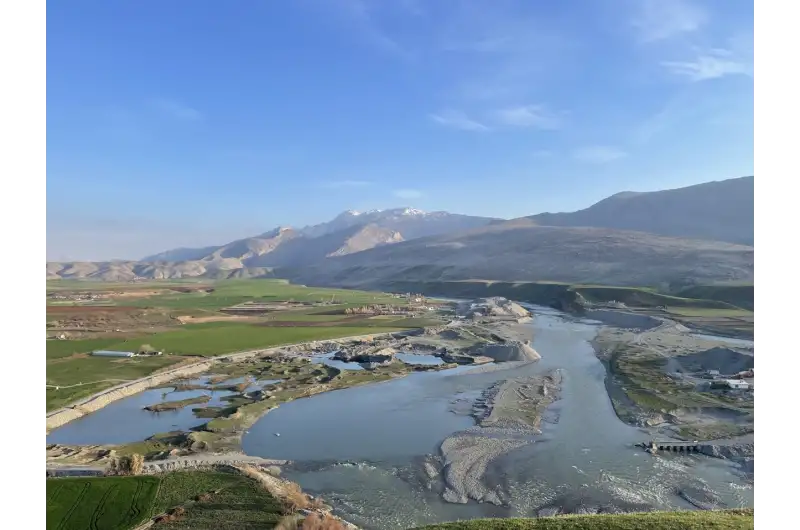
Archaeologists in Trabzon have unearthed a 2,000-year-old river port. Discover how this massive inland harbor connected the ancient Black Sea trade networks.
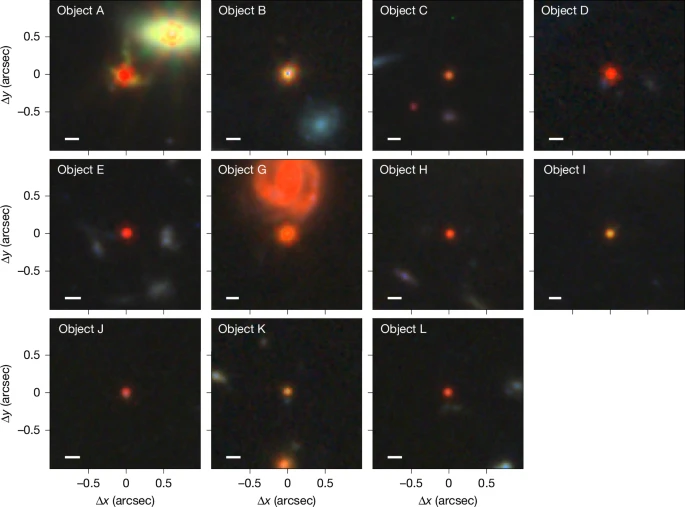
James Webb detects benzene, methane, and the rare methyl radical in a distant ultra luminous galaxy, proving complex chemistry thrives in cosmic chaos.
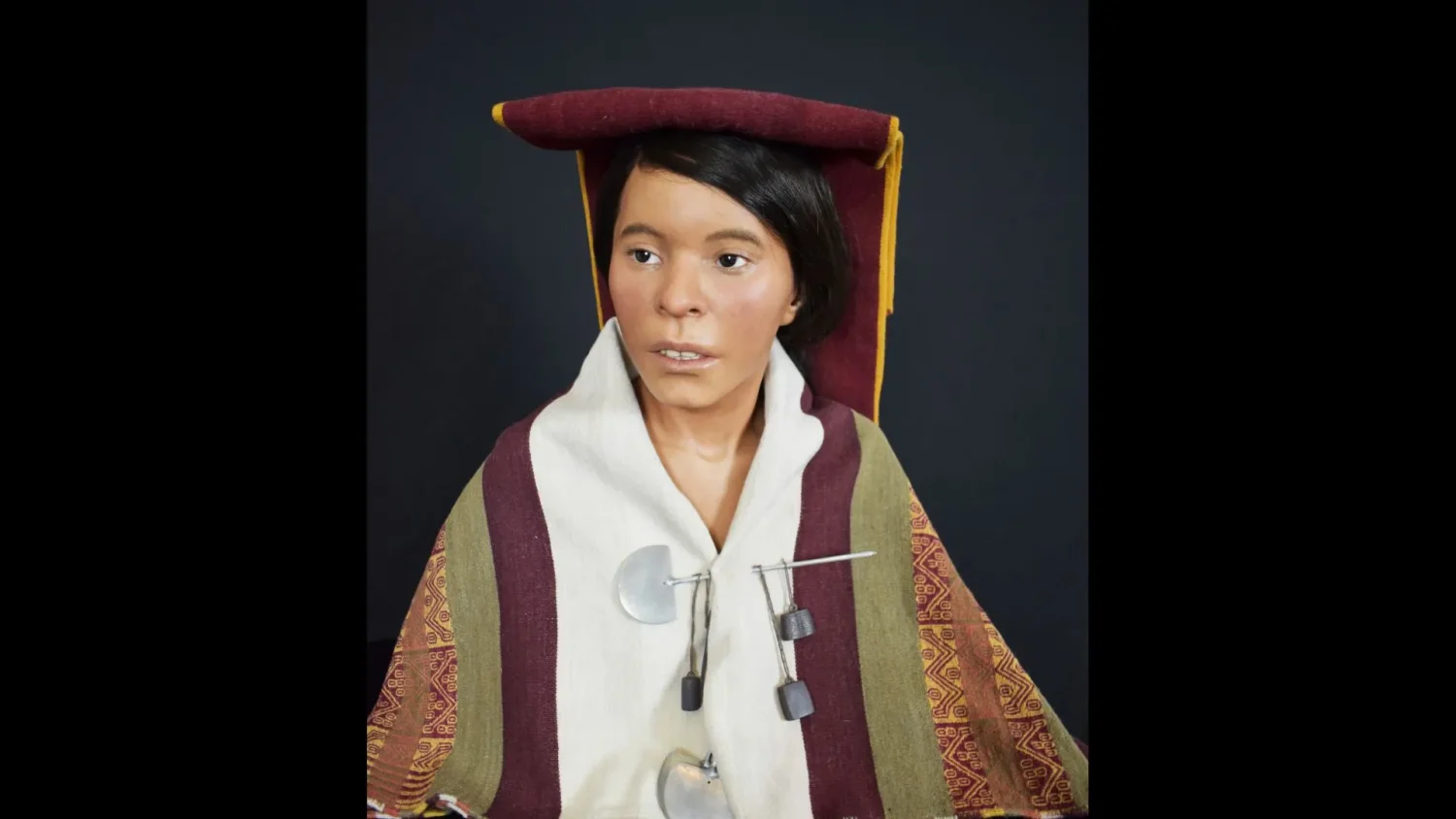
High-tech CT scans reconstruct the last moments of Inca children sacrificed in the Andes, revealing a journey of ritual, sedation, and eternal sleep.
New research reveals genes duplicated before the Last Universal Common Ancestor, offering a glimpse into life’s origins before the evolutionary tree began.
A hidden crisis is unfolding under our feet as groundwater aquifers in megacities face depletion. Learn why protecting this invisible resource is urgent.
Scientists have discovered microbes sleeping deep beneath the Earth for millions of years. This hidden life exists in a state of near suspended animation. What is it waiting for?
Decades-old data from the Galileo spacecraft reveals life-friendly molecules like carbon dioxide leaking from the subsurface ocean of Jupiter’s icy moon, Europa.
A 1,300-year-old bronze plaque of ‘praying’ bears, found in an elite woman’s grave in Altai, reveals the southernmost evidence of a Siberian taiga bear cult.
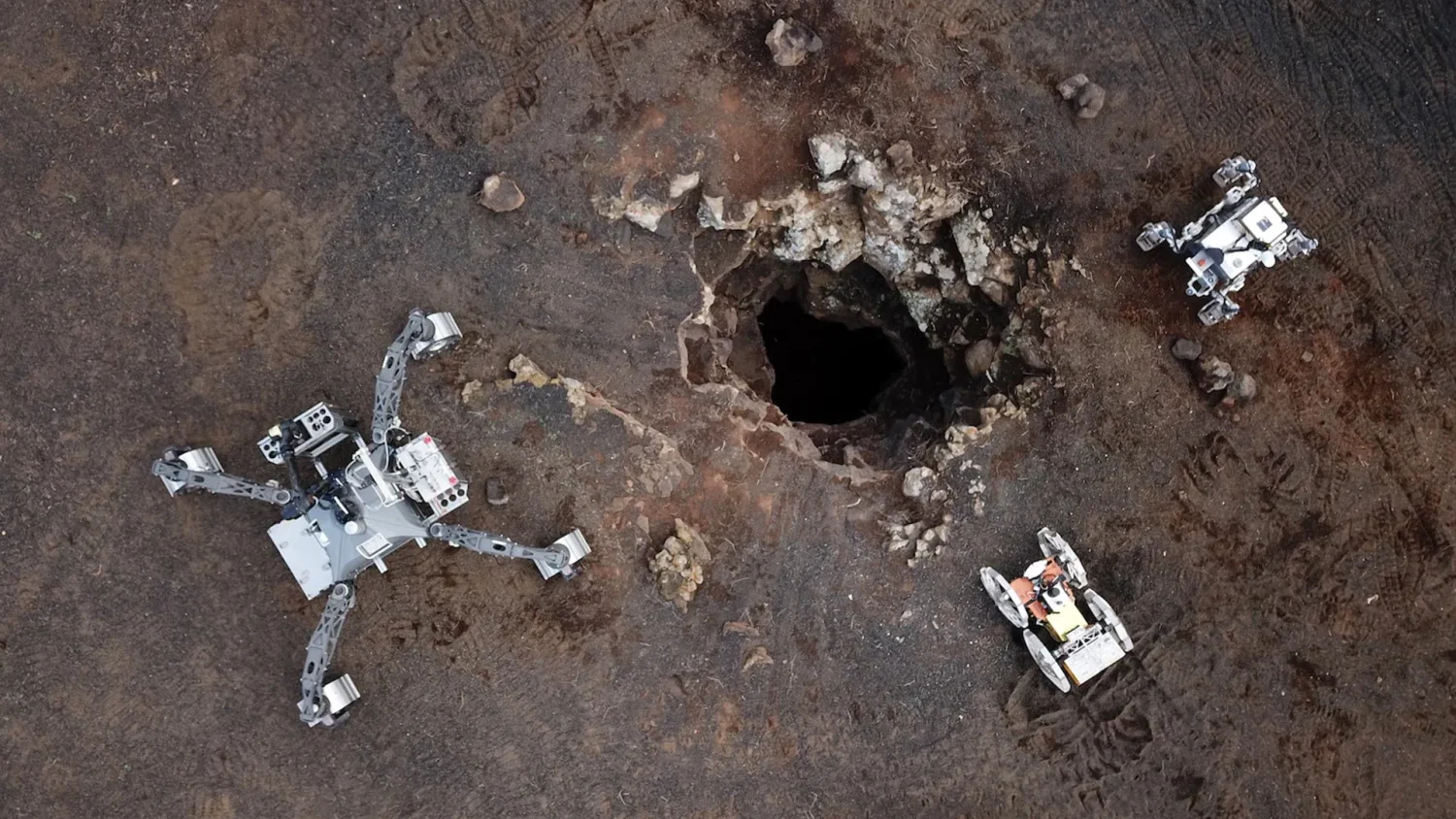
A European research team has designed a robotic trio to explore lava tunnels on the Moon and Mars. These caves may offer the perfect shelter for future human colonies.
A five-year study in the Pacific’s Clarion-Clipperton Zone reveals nearly 800 new species, just as the fragile region is targeted for controversial deep-sea mining.
Explore the rediscovery of Alexandria-on-the-Tigris, a lost metropolis founded by Alexander the Great. See how modern archaeology uncovered its secrets in Iraq.
New research reveals life rebounded with astonishing speed after the dinosaur-killing asteroid, challenging our core beliefs about recovery from mass extinction events.
With a mortality rate of up to 75%, the Nipah virus outbreak in India has experts on high alert. Learn how it differs from COVID-19 and why the WHO is watching closely.
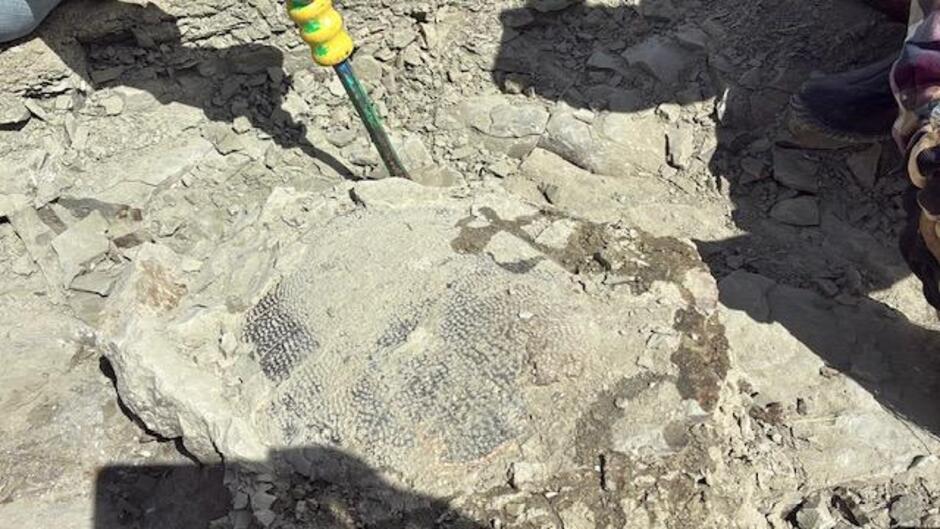
A stunning discovery of 512 million year old fossils in China reveals the secrets of the Sinsk Event, a mysterious mass extinction that wiped out half of all life.
Earth’s oceans absorbed record heat last year, an energy influx equal to 12 atomic bombs per second, fueling extreme weather and altering the planet’s future.
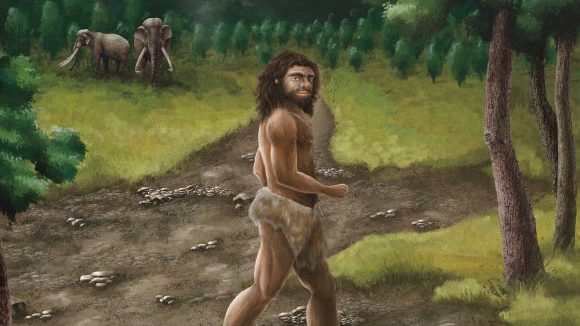
A 160,000-year-old discovery in China reveals advanced stone tools that may not have been made by Homo sapiens, challenging our understanding of ancient intelligence.
Archaeologists at a Greek lake shore have discovered the oldest wooden tools ever, dated to 430,000 years, offering a rare glimpse into Paleolithic ingenuity.
In a world first, scientists find blister beetle larvae fake flower scents. This incredible evolutionary hack lures bees into a parasitic trap, rewriting our knowledge.
A groundbreaking MIT study reveals how climate change is cooling and shrinking the thermosphere. This reduces atmospheric drag, trapping space junk in orbit for decades longer and dangerously increasing satellite collision risks.
Girls globally are beginning puberty at a younger age, increasing their risks for cancer, depression, and anxiety. Learn why obesity and chemicals are altering childhood.
The James Webb Space Telescope captures a breathtaking new image of the Helix Nebula, the ‘Eye of God,’ revealing a cosmic lava lamp of gas and dust from a dying star.
Observations from the James Webb Space Telescope reveal that galaxies in the early universe matured with shocking speed, showing adult features just a billion years after the Big Bang.
New research in the Italian Alps reveals Neanderthals were skilled mountaineers who carried pre-made toolkits into high-altitude caves for planned, transient stays.
Archaeologists in Jerash, Jordan, uncover the first confirmed mass grave from the Plague of Justinian, revealing the swift, devastating impact of the world’s first pandemic.
Archaeologists in Indonesia have found the world’s oldest rock art, a 67,800-year-old hand stencil that pushes back the timeline of human symbolic creativity by millennia.
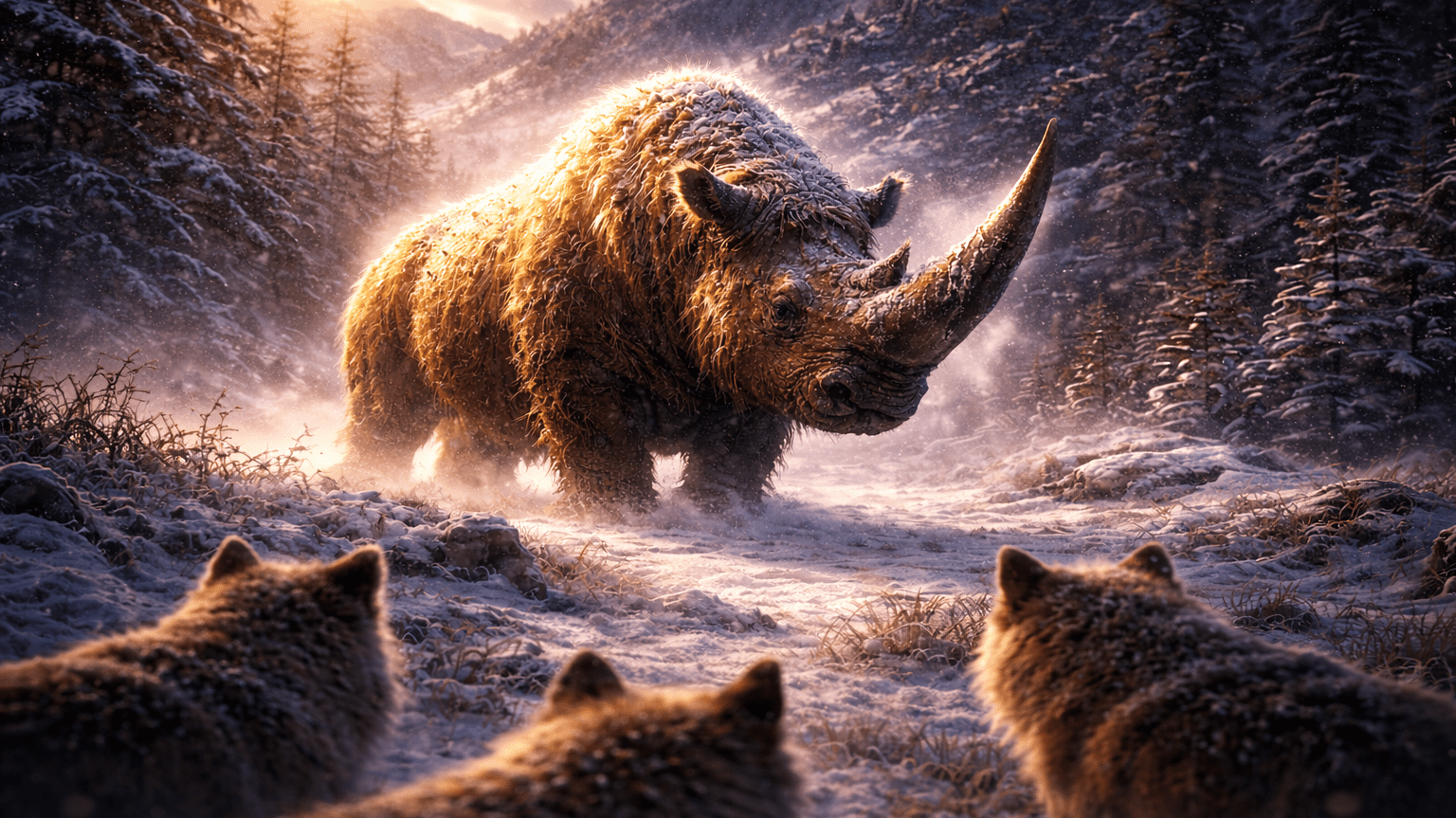
A 14,400-year-old woolly rhino genome, recovered from the stomach of a mummified wolf, reveals the species was not in decline but wiped out by abrupt climate change.
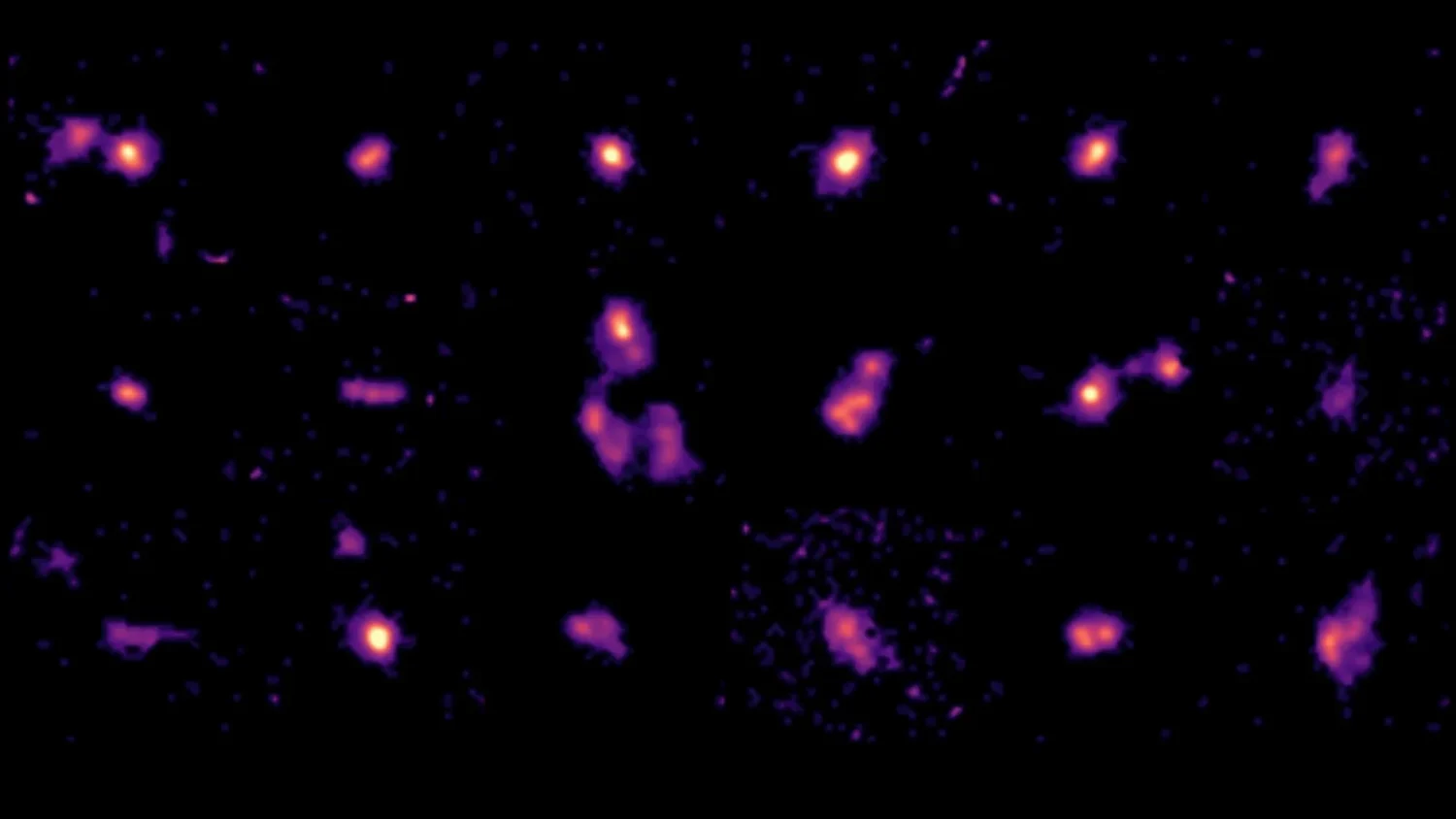
The James Webb Space Telescope has solved a cosmic mystery. Tiny ‘little red dots’ in the early universe are not distant galaxies but infant supermassive black holes.
Astronomers discovered a mysterious iron bar inside the iconic Ring Nebula, the potential vaporized remains of a rocky planet, hinting at our solar system’s future.
In the vast archipelago of Indonesia, nestled within the Lesser Sunda Islands, lies a world of dramatic volcanoes and vibrant…
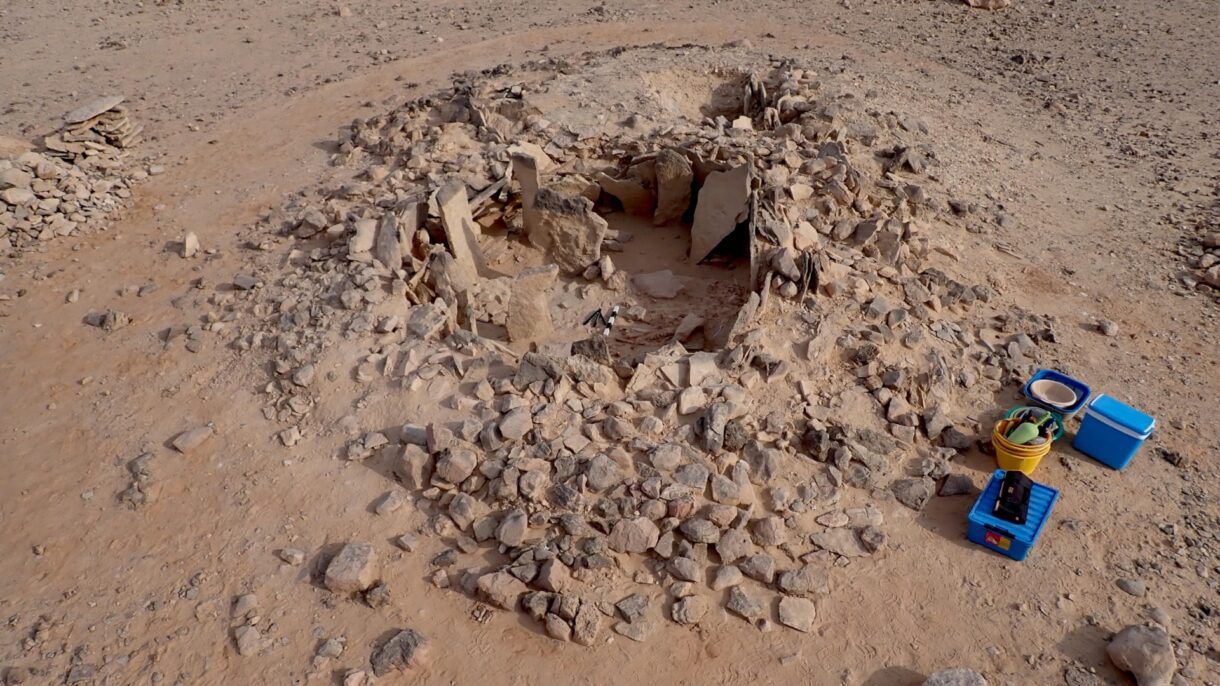
Neolithic Oman,ancient shark hunting,Wadi Nafūn archaeology,Arabian Neolithic,stable isotope analysis,archaeology discovery,prehistoric diet,megalithic tomb
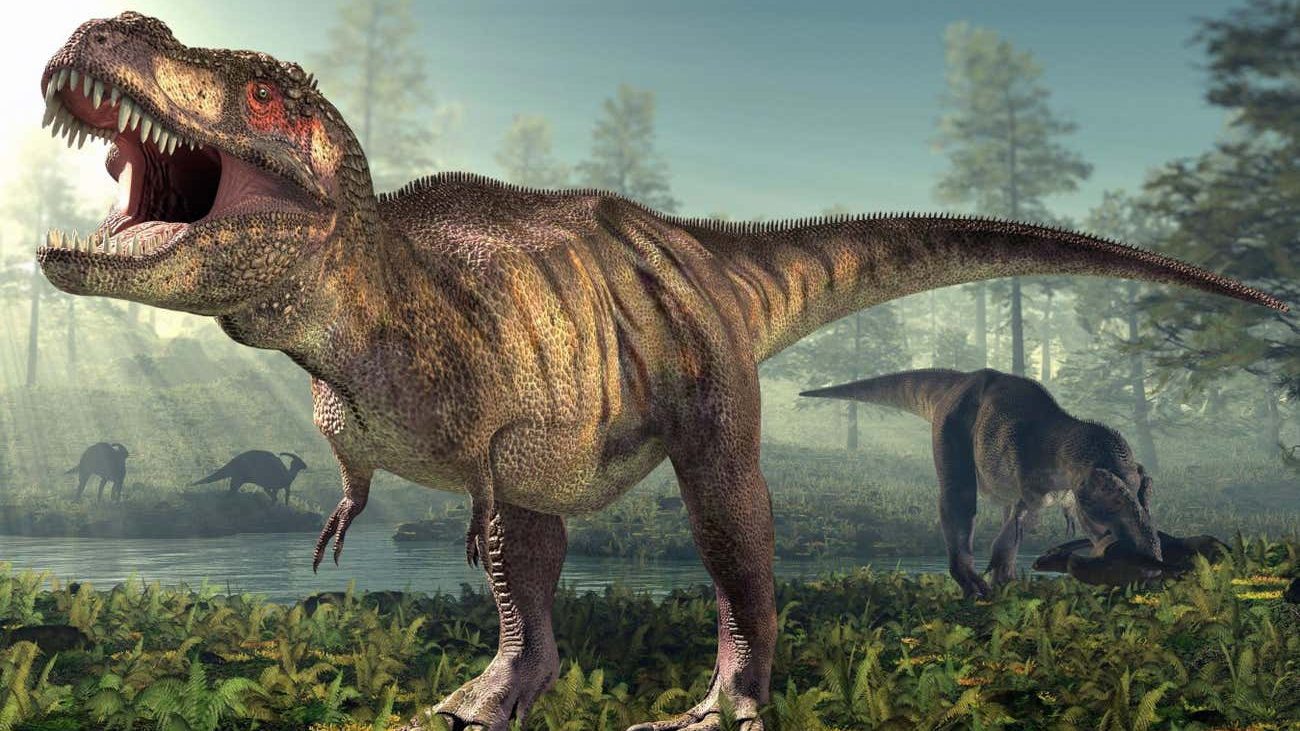
New research on T. rex bones reveals a surprising truth: the king of dinosaurs took 40 years to reach its full size, transforming our understanding of its life.
A new American Heart Association survey finds a little known health condition, CKM syndrome, affects nearly 90% of adults. Learn about this interconnected health risk.
Astronomers are baffled by a mysterious dark object 11 billion light-years away. Weighing a million suns, its strange structure defies dark matter models.
Honeybees communicate using complex mathematics, a language that evolved independently from our own over millions of years. This shared understanding of numbers and symbols suggests that math could be the universal language we need to finally make contact with extraterrestrial intelligence.
Newly discovered 773,000 year old fossils from Casablanca, Morocco, reveal a mosaic of ancient and modern traits, potentially identifying the common ancestor of humans.
Scientists may have found Leonardo da Vinci’s DNA on a disputed drawing. A non-invasive method revealed a genetic link to Tuscany, potentially revolutionizing art history.
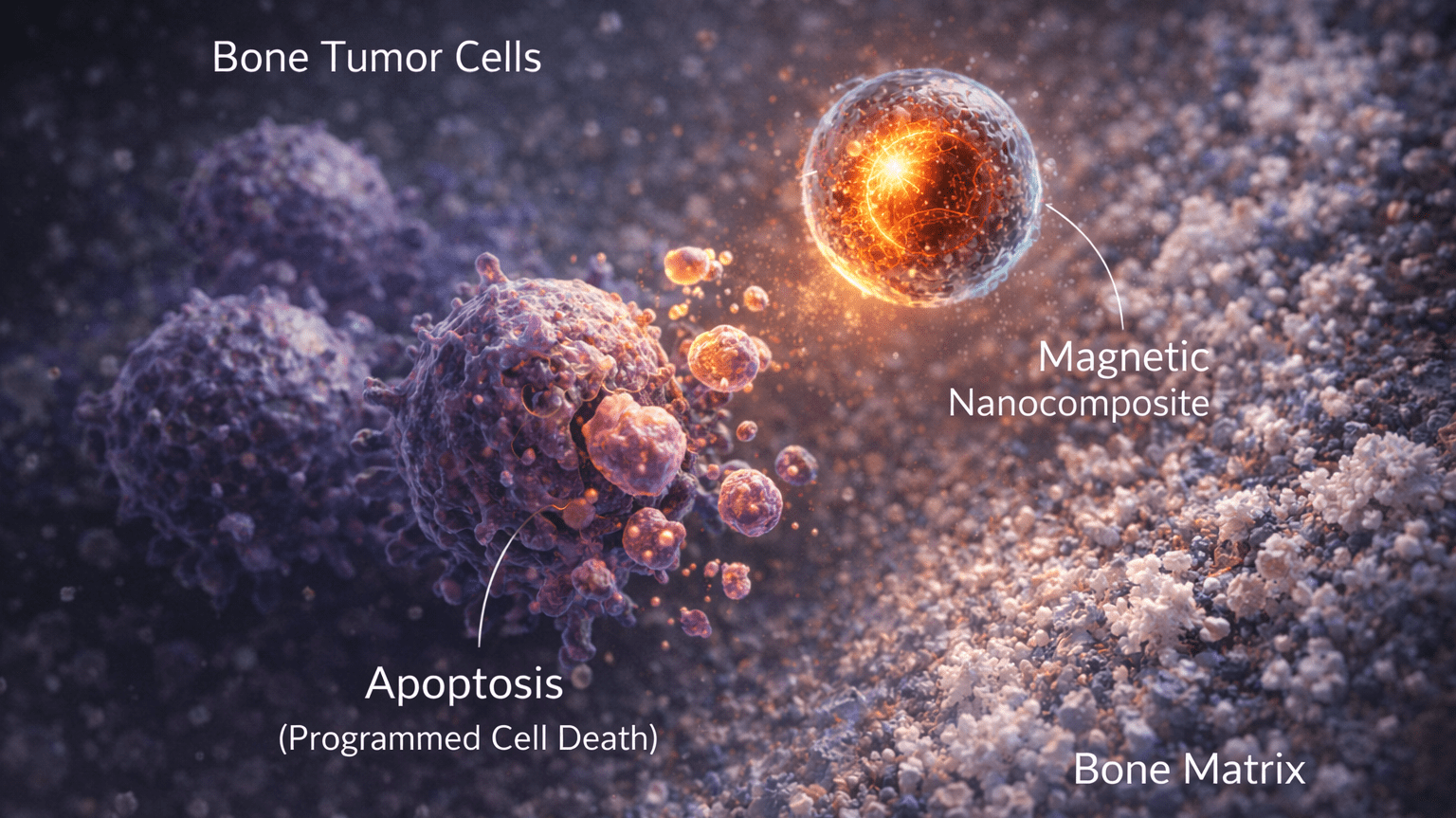
A groundbreaking magnetic nanocomposite offers a dual-action approach to treating bone cancer, using heat to destroy tumors and a special coating to rebuild healthy bone.
Archaeologists in South Africa have found direct evidence of the world’s oldest arrow poison on 60,000 year old quartz arrowheads, revealing advanced chemical knowledge.
The global food system relies on pesticides, but their environmental cost is high. Can we reduce their use without threatening food security? A look at the science.
Scientists at China’s EAST facility have broken a long-standing fusion energy limit, achieving a stable, high-density plasma state previously thought impossible.
A groundbreaking study reveals Egypt’s Karnak Temple was built on a sacred island that emerged from the Nile, mirroring the ancient creation myth of a primordial mound.
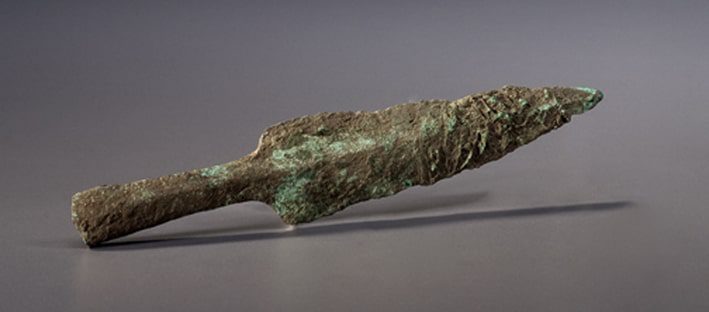
9,500 years ago, Native Americans in the Great Lakes region were among the world’s first coppersmiths. Then, they suddenly abandoned the craft. Why? Learn the story.
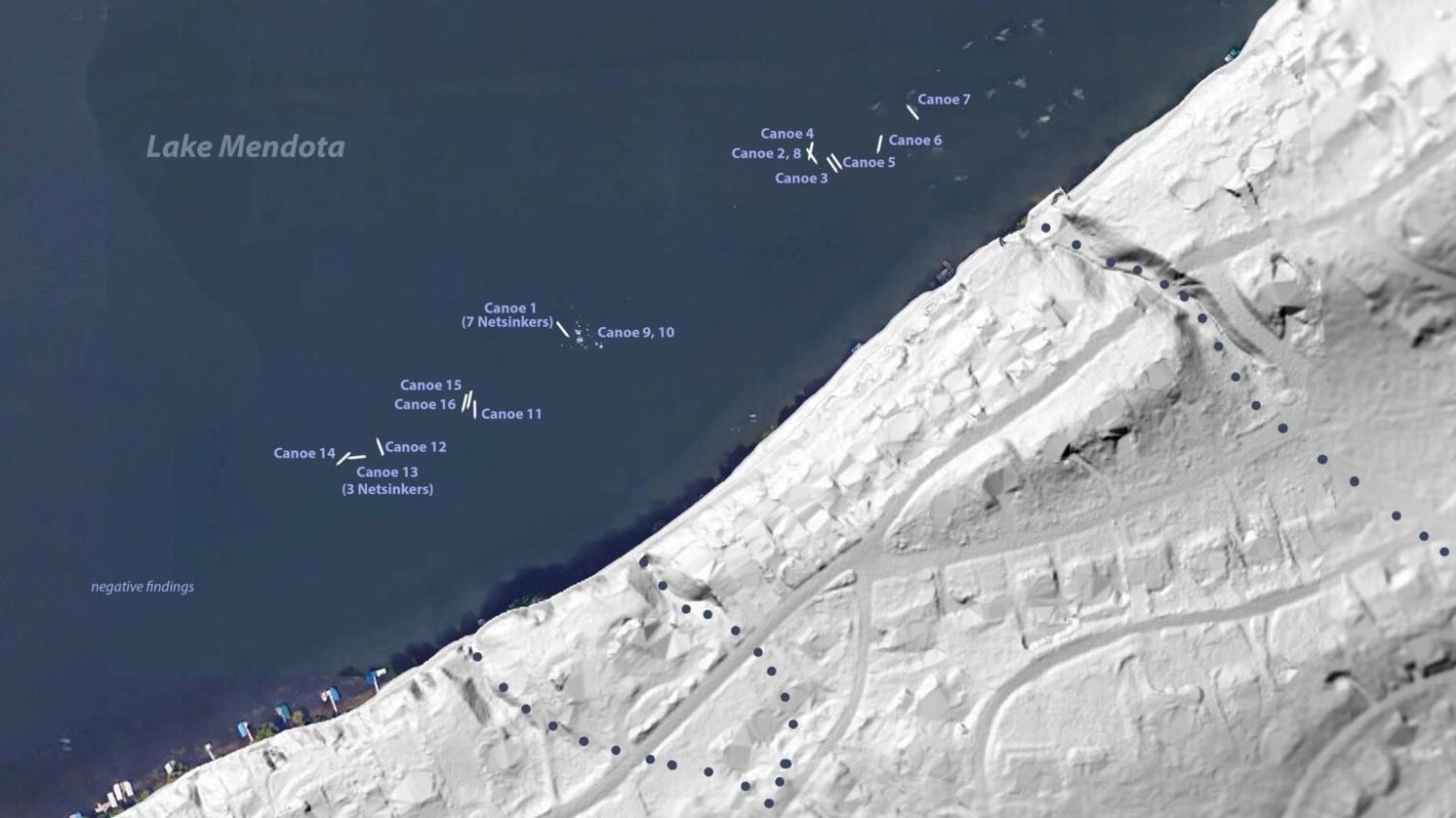
Beneath Wisconsin’s Lake Mendota lies a stunning secret: a 5,200-year-old canoe cache, revealing a sophisticated transport network of ancient Indigenous engineers.
In a major breakthrough, scientists have created the first breathing lung-on-chip using genetically identical cells derived entirely from a single person’s stem cells. This innovative model, which can simulate diseases like tuberculosis, paves the way for truly personalized medicine by allowing researchers to test treatments and understand how infections will impact an individual. This technology promises to change how we study respiratory illnesses and develop new therapies.
In a medical first, scientists created a custom CRISPR gene therapy in just six months, saving a baby with a rare, life threatening disease and paving the way for new cures.
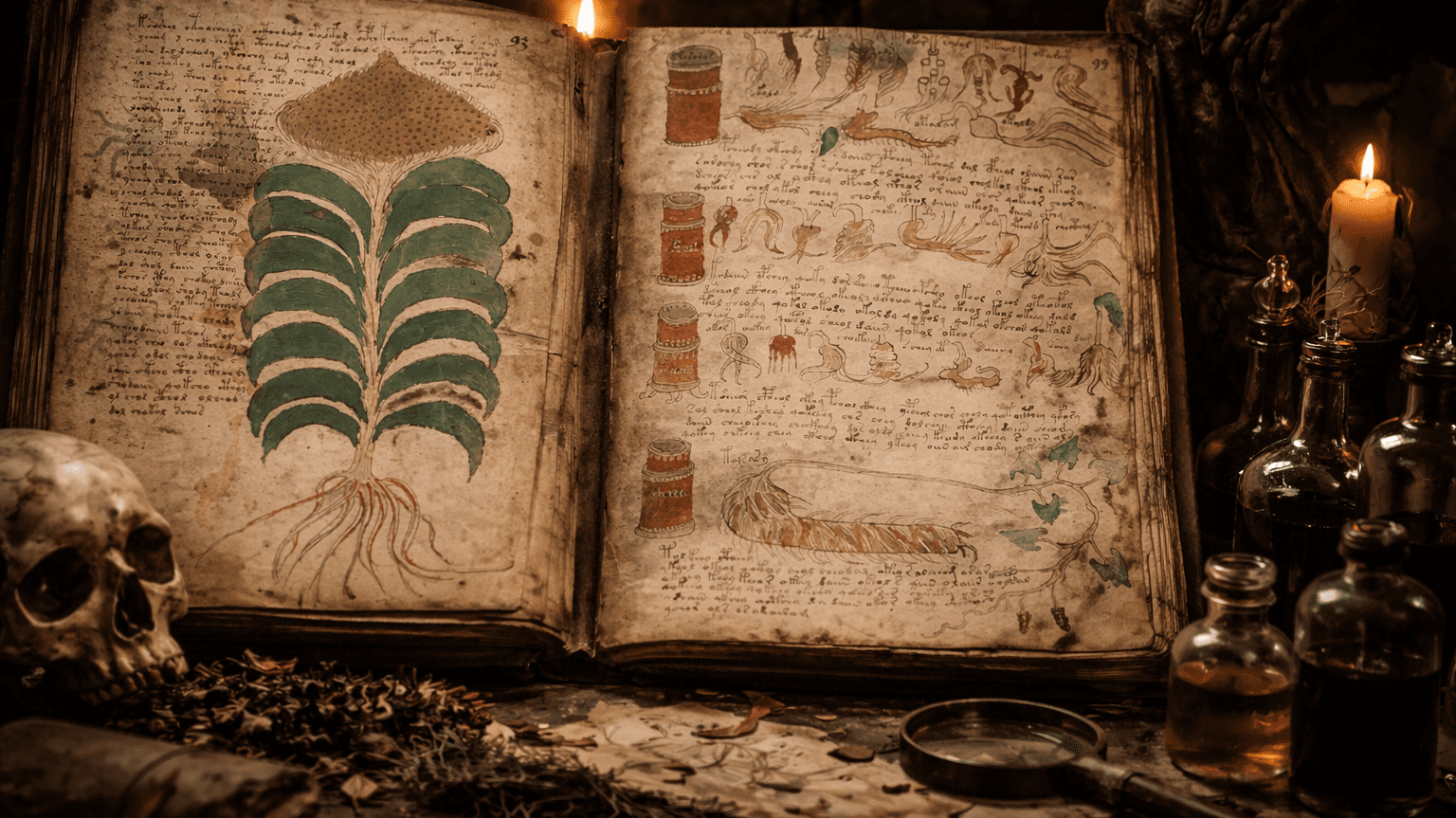
A new study reveals a cipher system using cards and dice that generates text like the Voynich manuscript, suggesting the 600-year-old enigma is not a hoax but an encrypted text.
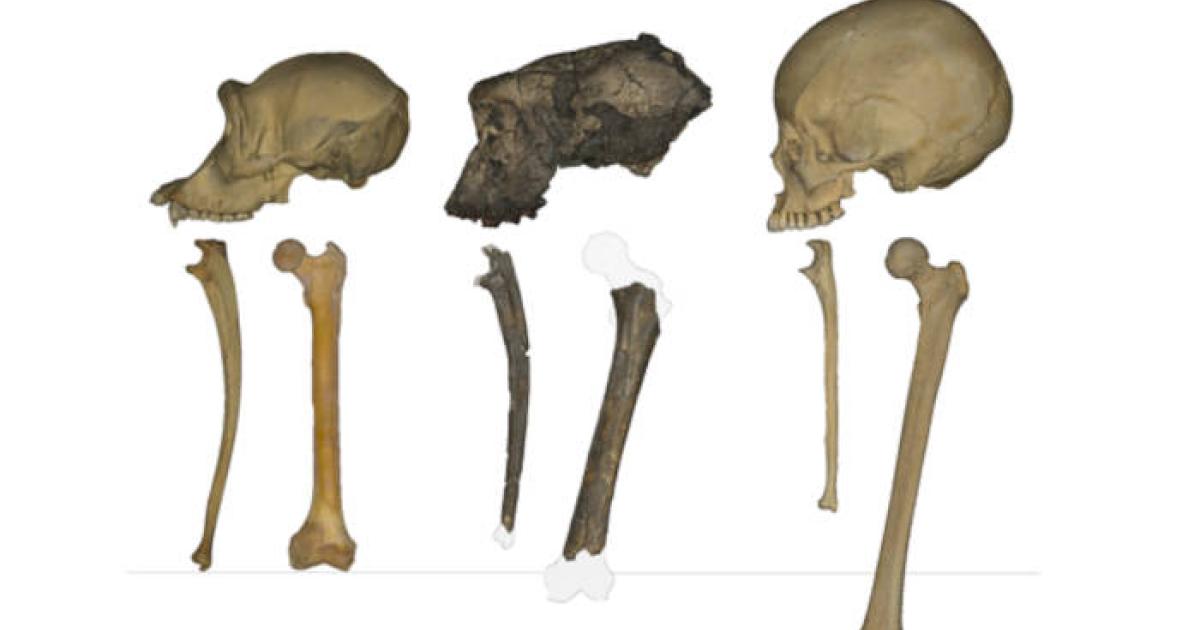
A groundbreaking study on a 7-million-year-old fossil from Chad reveals Sahelanthropus tchadensis could walk upright, rewriting the origins of human bipedalism.
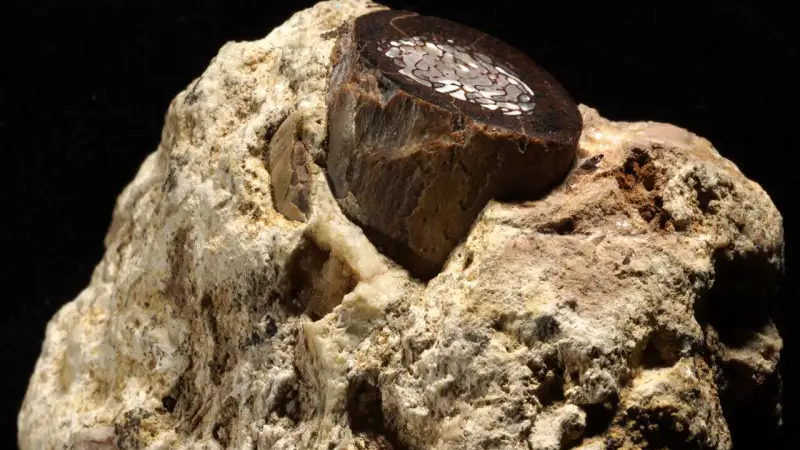
For the first time, scientists have extracted metabolites from million-year-old fossils, revealing incredible details of ancient diet, health, and lost ecosystems.
Genetic analysis of a 200,000-year-old Denisovan tooth reveals a complex history of interbreeding, diverse populations, and interaction with a mysterious super-archaic group.
New research suggests European Homo sapiens used the bow and arrow 40,000 years ago, far earlier than believed, rewriting the history of ancient weapon technology.
For decades, a missing palace puzzled historians of ancient Greece. Discover how archaeologists at Agios Vasileios unearthed a lost Mycenaean royal center near Sparta.
Maritime archaeologists have discovered Svælget 2 off Denmark’s coast, the world’s largest medieval cog ship, dating to 1410. This find rewrites maritime history.
Archaeologists in Malawi have uncovered Africa’s oldest cremation, a 9,500 year old pyre for a woman, revealing complex rituals and social structures among ancient foragers.
Discover a revolutionary storage solution using synthetic DNA, capable of holding 10 billion songs in a liter of liquid. Learn how it promises to preserve our data for millennia.
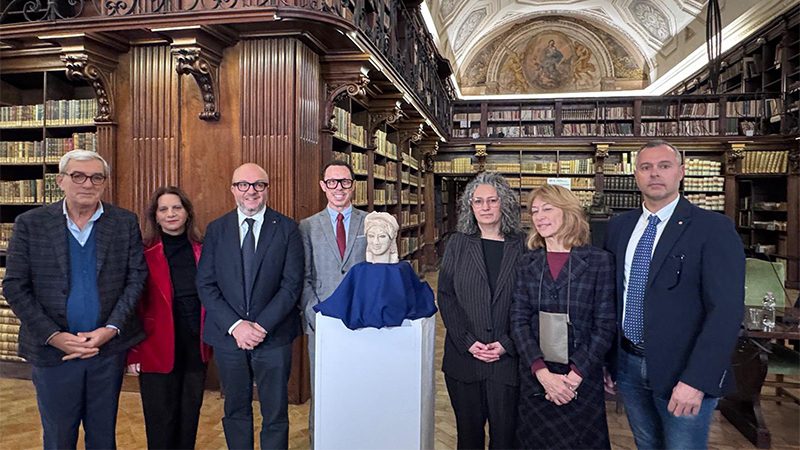
Archaeologists in Vulci, Italy, have unearthed a 2,500-year-old Greek kore head, a rare find revealing deep Hellenic artistic influence on the Etruscan civilization.
A remarkable 2,000-year-old trophy head from Peru with a cleft lip challenges our views on ancient societies, suggesting physical differences were revered, not stigmatized.
Archaeologists have uncovered extensive Late Period industrial workshops and a Roman necropolis in Egypt’s Nile Delta, revealing the secrets of ancient craftsmanship.
Discover the chilling Montauk Project, the real-life conspiracy theory that inspired Netflix’s Stranger Things. Explore tales of secret experiments, mind control, and time travel.
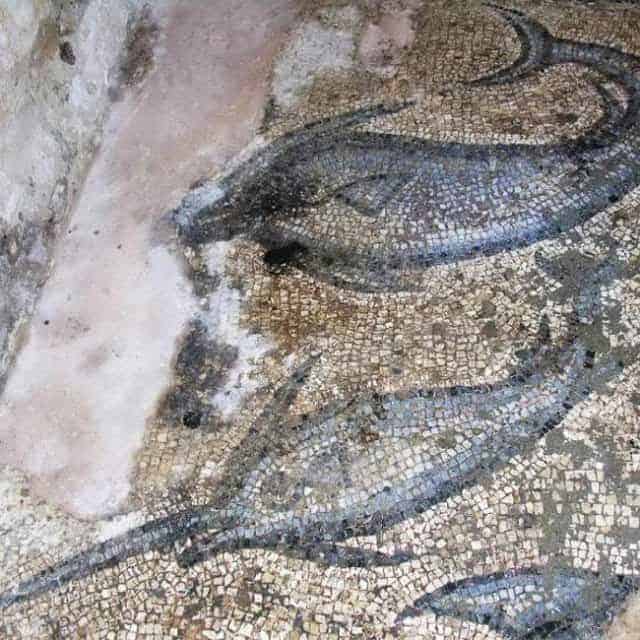
Discover the astonishing 1800-year-old villa of Phainos, a wealthy fisherman of the Roman era, unearthed in ancient Halicarnassus with stunning sea-life mosaics.
A revolutionary study suggests ancient Greece’s largest funerary monument, the Kasta Tomb, was aligned with the winter solstice as a cosmic tribute to Hephaestion.
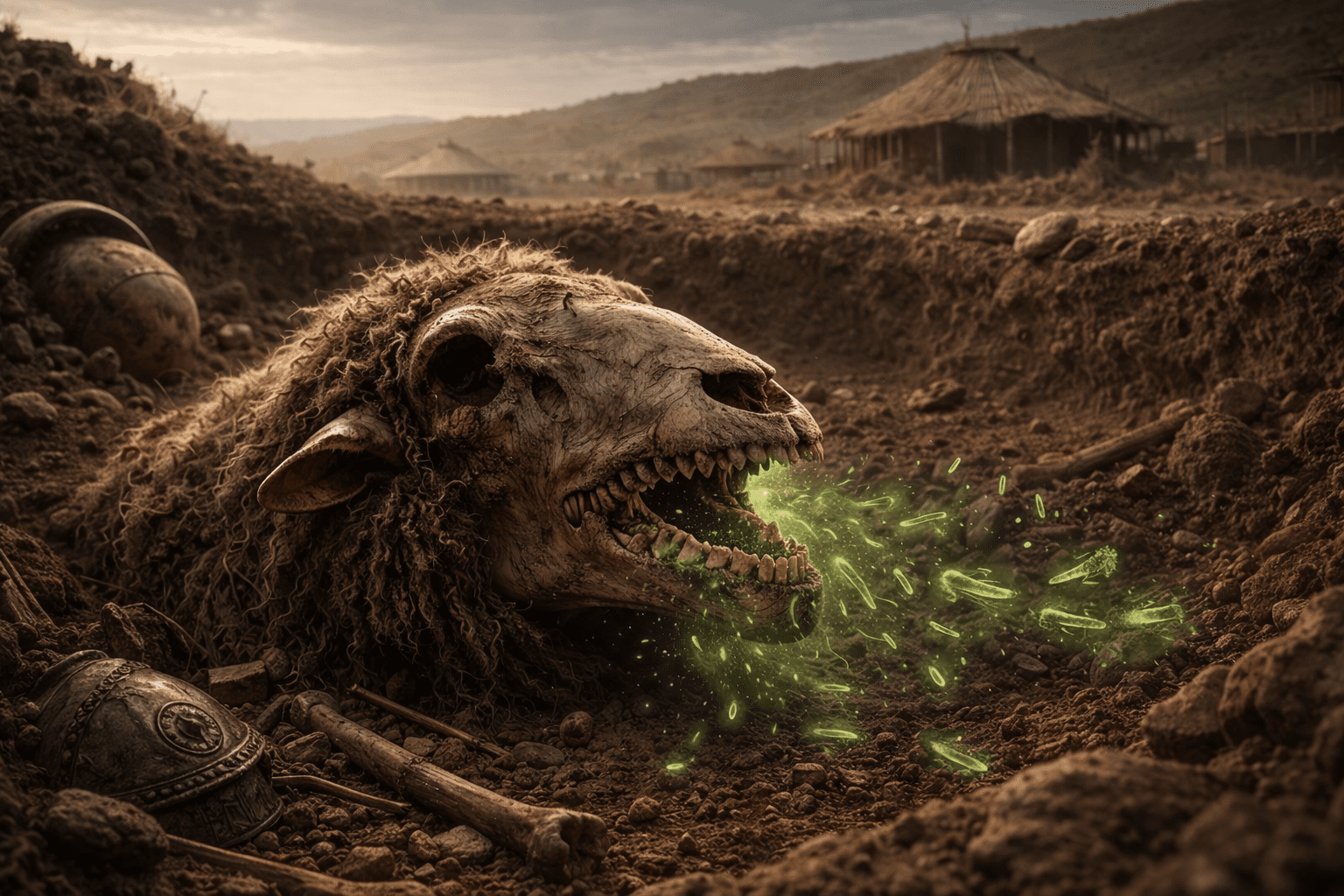
Archaeologists have found the first non-human case of Bronze Age plague in a 4,000-year-old sheep, solving a long-standing mystery of how the disease spread.
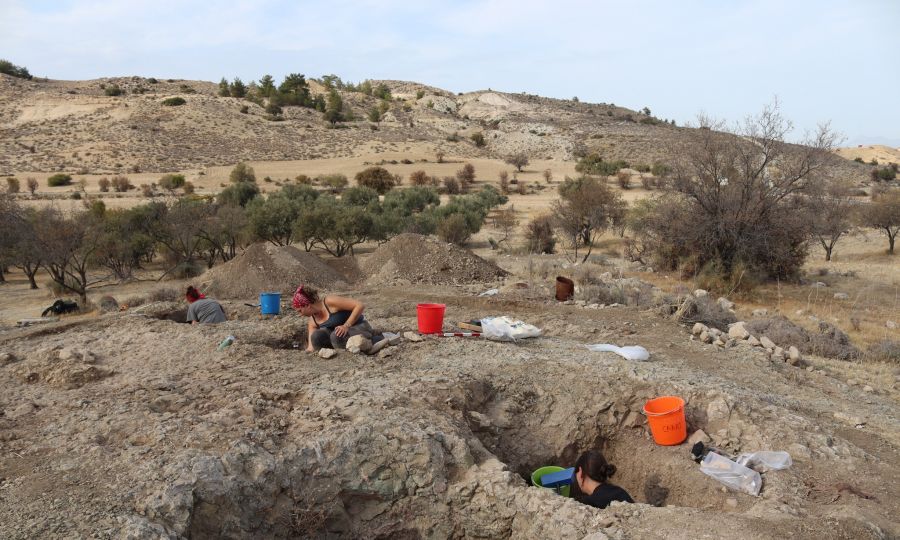
Archaeologists in Cyprus have unearthed a sophisticated Roman-era copper production site, revealing advanced water management systems and a forgotten industrial landscape.
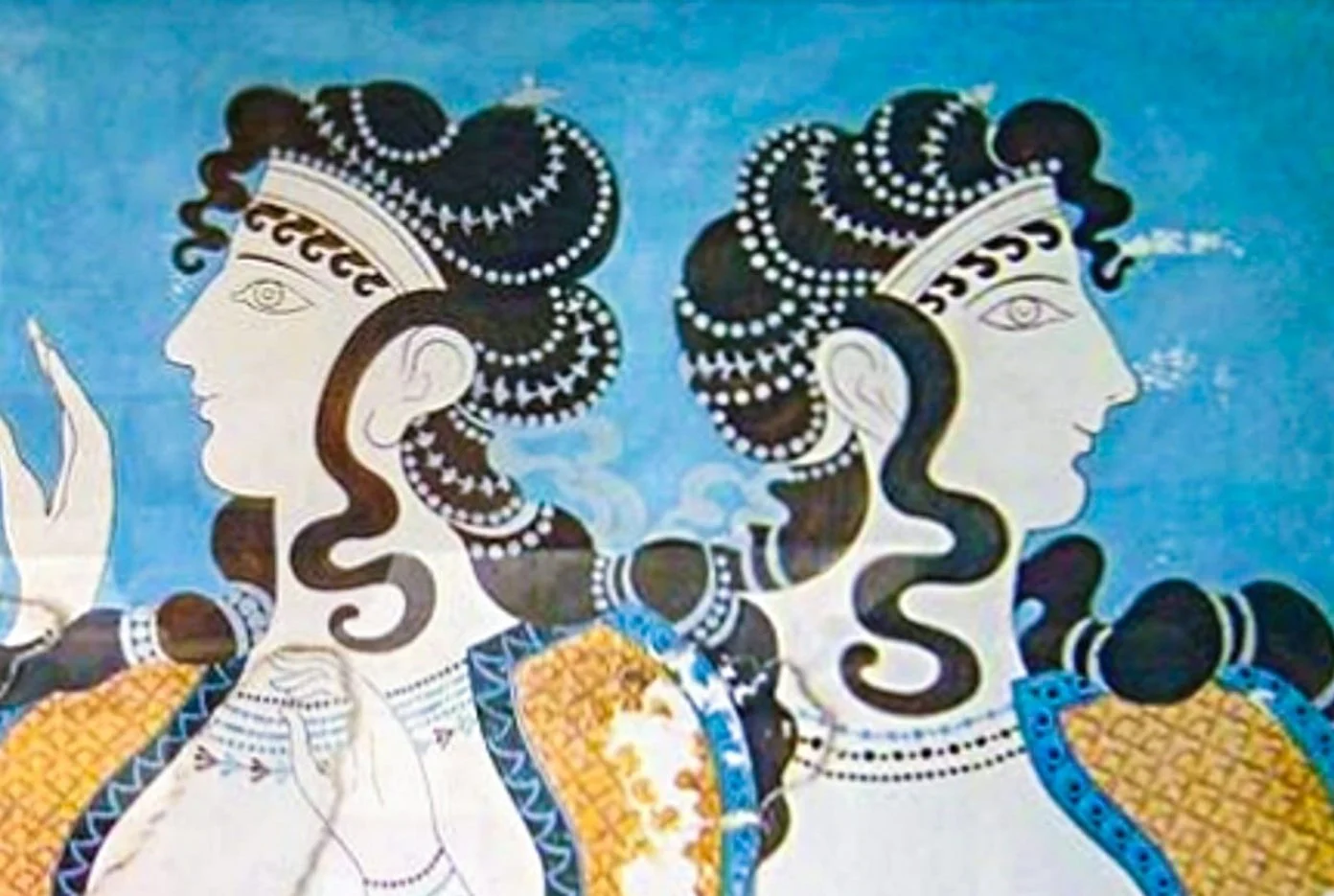
Groundbreaking DNA analysis from the Max Planck Institute reveals a startling secret of the Minoans: first-cousin marriage was a common and vital economic strategy.
Paleontologists have discovered one of the world’s richest dinosaur fossil sites in Transylvania, Romania, with over 800 bones from 72 million years ago found.
A farmer’s plough accidentally rediscovers a 4,000-year-old tomb on Scotland’s Isle of Bute, lost for 160 years. Inside, two mysterious burials challenge our views.
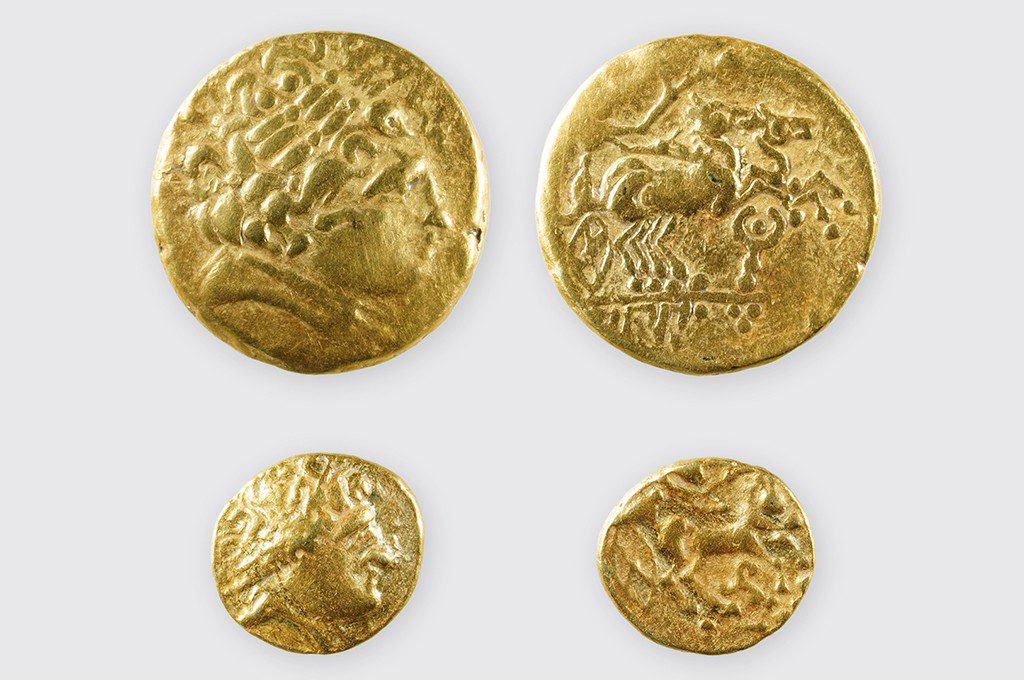
Two rare 2,300-year-old Celtic gold coins found in a Swiss bog offer a stunning glimpse into ancient ritual practices and early monetary systems in Europe.
The Chinchorro of ancient Chile created the world’s oldest mummies. New research reveals this was not for royalty, but an elaborate art therapy to cope with grief.
Imagine an ancient secret sleeping just beneath the earth, hidden under the gnarled roots of olive trees on a sun…
The Ionian Islands, a string of jewels set in the turquoise waters off the western coast of mainland Greece, have…
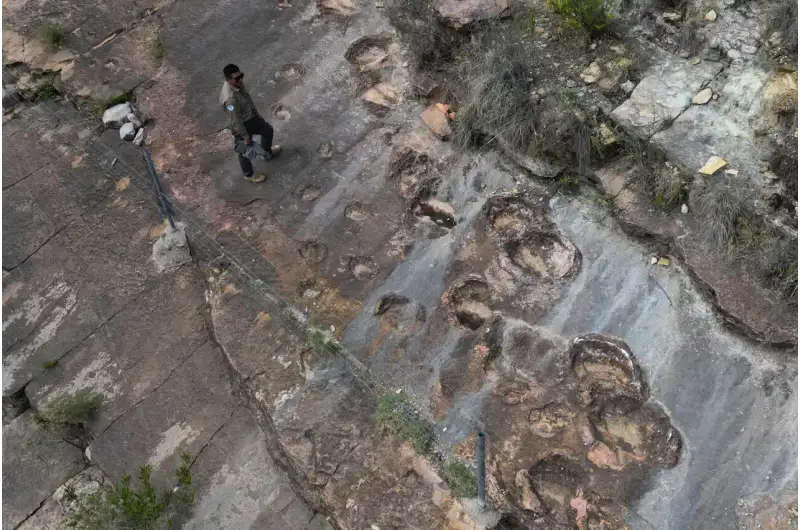
A stunning discovery in Bolivia of 16,600 dinosaur footprints, including the longest swim track ever found, offers an unprecedented look into their social lives.
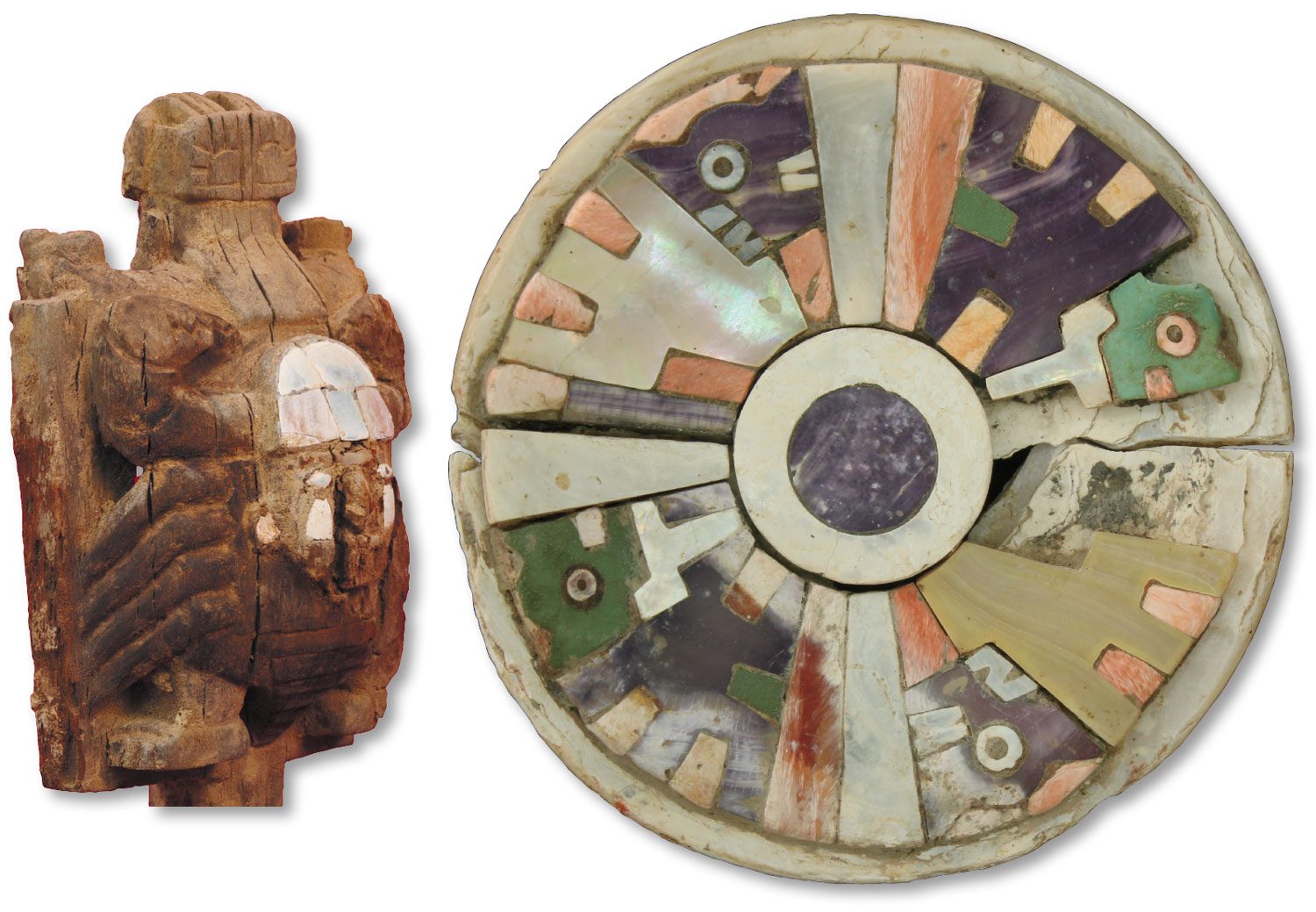
A groundbreaking discovery at Pampa la Cruz, Peru, reveals a 1,000-year-old tomb where Moche and Wari cultures met, creating a unique hybrid art and burial style.
Archaeologists in Mexico have uncovered Aguada Fenix, a 3,000-year-old Maya site designed as a massive map of the cosmos, revealing their profound view of the universe.
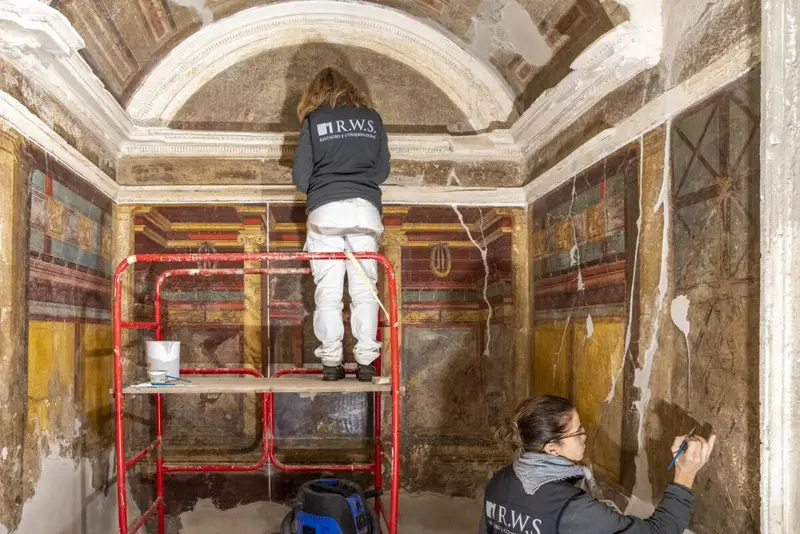
Archaeologists have uncovered spectacular new frescoes at the Villa di Poppea, thought to belong to Nero’s wife. Discover the vibrant peahen and theatrical masks frozen in time.
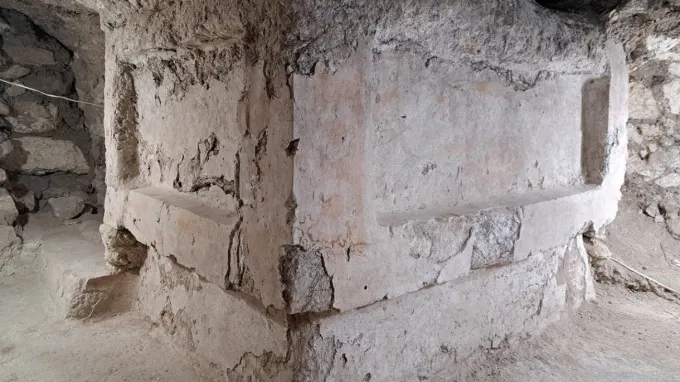
A stunning archaeological find in the Mayan city of Tikal uncovers a 1700-year-old altar built by a rival empire, Teotihuacan, rewriting Mesoamerican history.
High on a windswept peak in Crete, under the watchful gaze of the Mediterranean sun, the future was pressing forward.…
A top 2025 archaeological finding in Greece reveals a rare Macedonian-style tomb near ancient Tenea, which later transformed into a sacred healing shrine.
In a groundbreaking 2025 discovery, archaeologists have recovered articulated hull fragments from the legendary Antikythera shipwreck, revealing ancient shipbuilding secrets.
Discover the incredible 18,000-year-old mammoth bone dwellings in Ukraine. Learn how Ice Age humans survived the Last Glacial Maximum by building homes from giant bones.
Archaeologists discovered a well-preserved Iron Age pottery workshop in Iraq, revealing highly organized production networks and social complexity from 1200-800 BCE.
Archaeologists in Guatemala have unearthed a unique mosaic game board from the Maya city of Naachtun, revealing new insights into ancient leisure, labor, and cosmology.
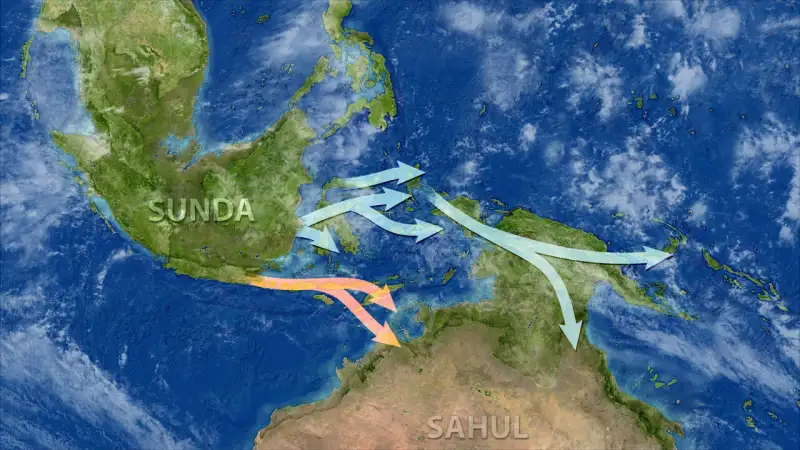
Groundbreaking genetic research reveals Aboriginal Australians and New Guineans descend from two distinct groups who settled the ancient supercontinent of Sahul 60,000 years ago.
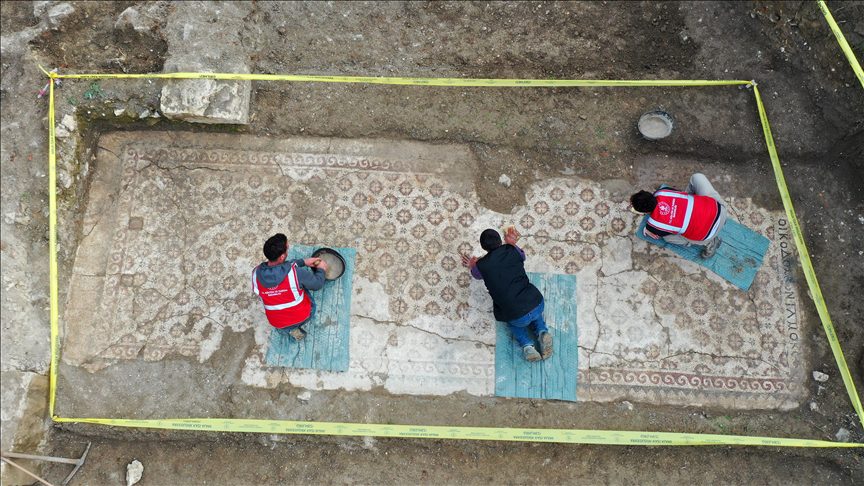
Amidst the rubble of the 2023 Hatay earthquake, archaeologists uncovered a spectacular 5th century mosaic with a Greek inscription, revealing a glimpse into elite life.
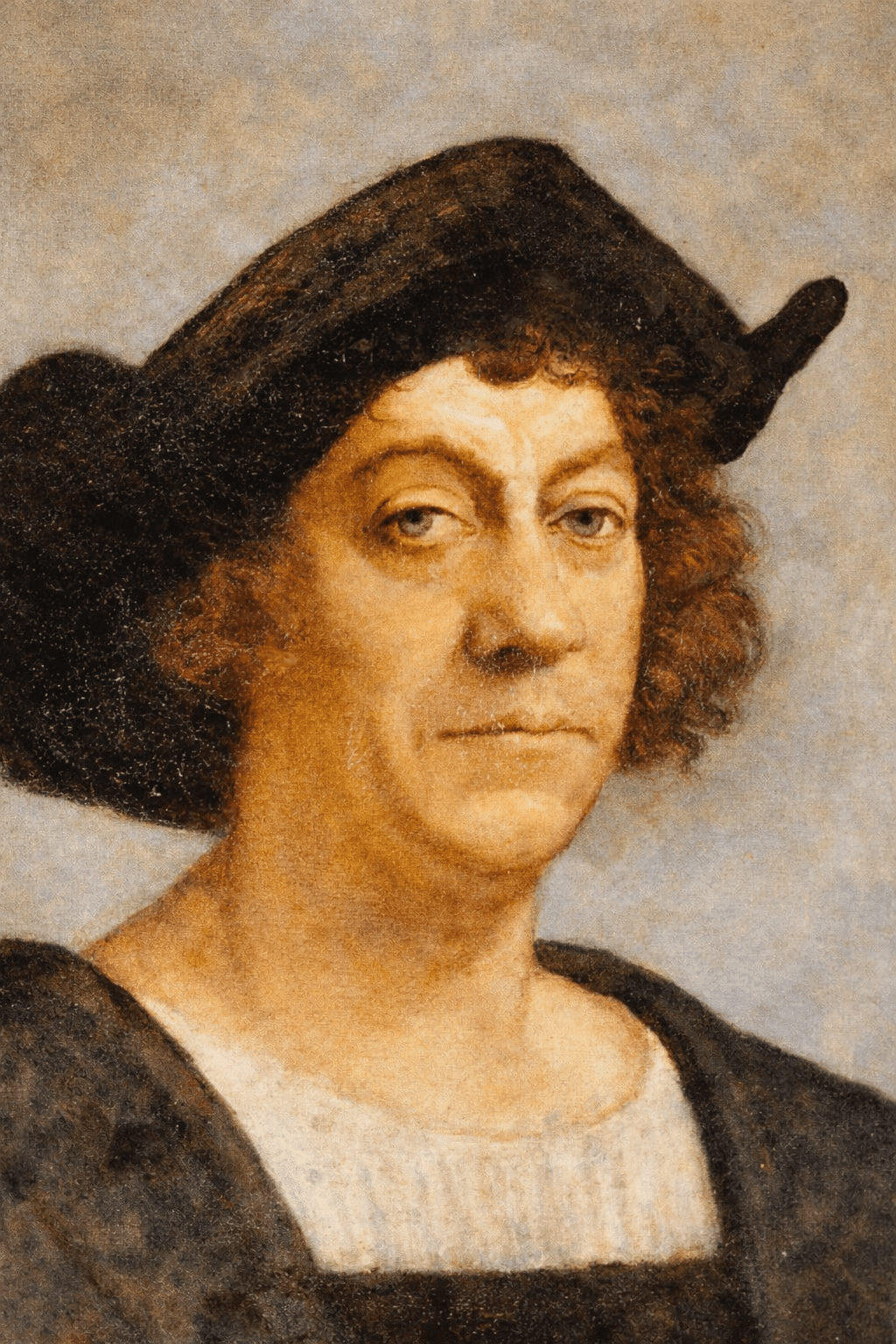
New DNA analysis from the University of Granada challenges the historical consensus on Christopher Columbus. Genetic data from his relatives suggests the famed explorer may have been Spanish with Sephardic Jewish ancestry, not Italian, potentially rewriting a key chapter of history.
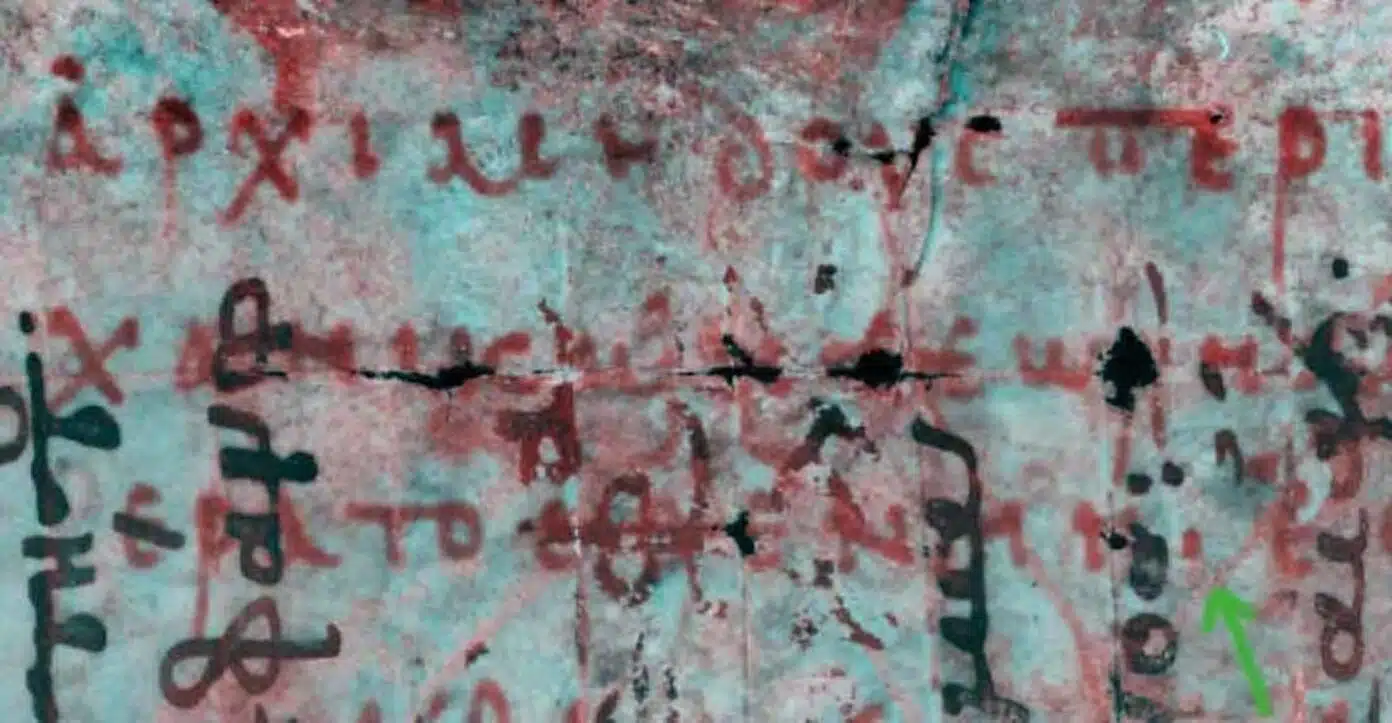
Using a powerful particle accelerator, scientists have uncovered lost writings of the great Archimedes, hidden for centuries within the pages of a medieval prayer book.
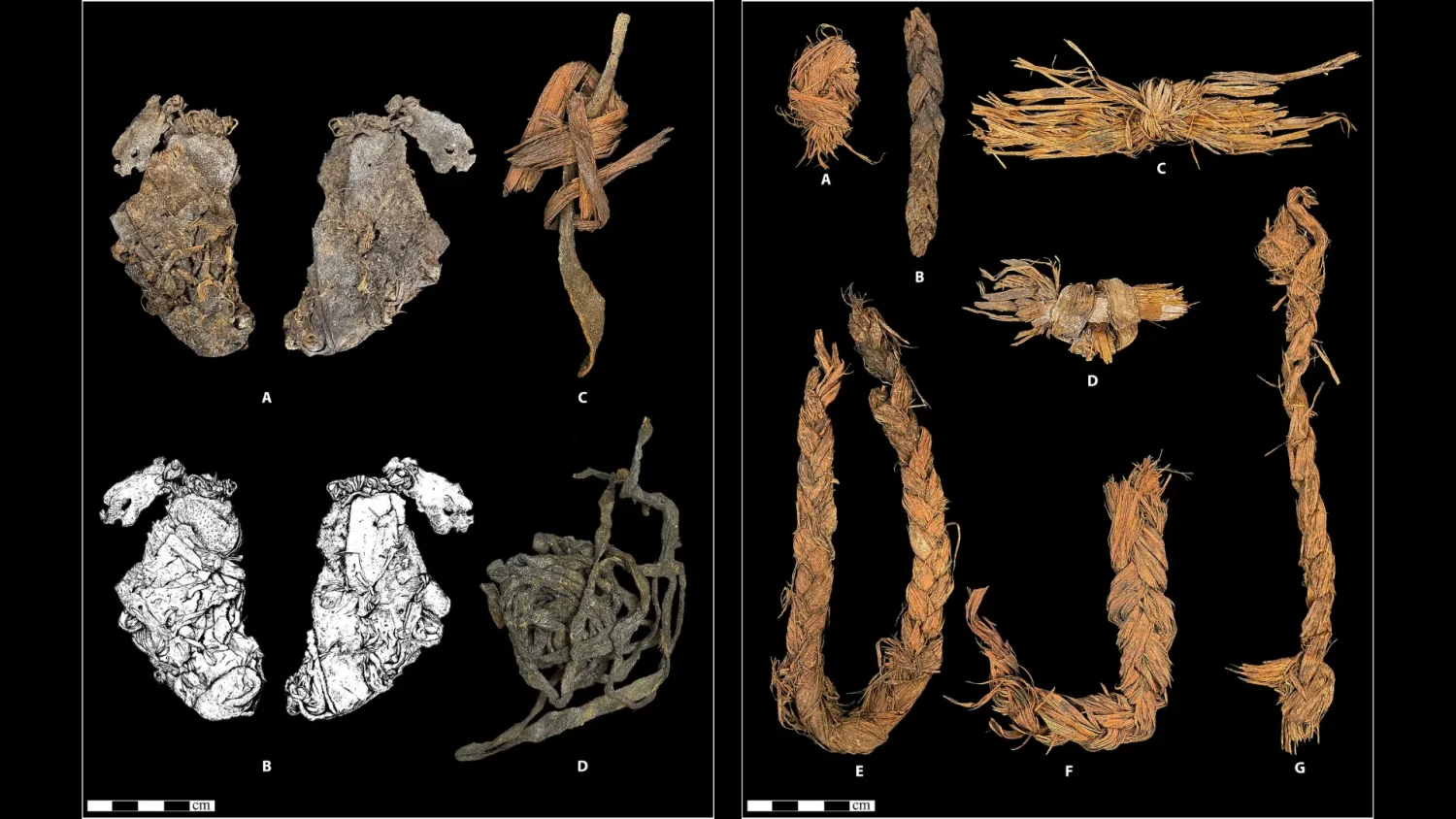
In a rare discovery, archaeologists have found 5,000-year-old hemp textiles in Bulgaria’s Magura Cave, preserved by a unique microclimate. The find reveals new details about Early Bronze Age technology and culture, bridging a critical gap in European prehistory.
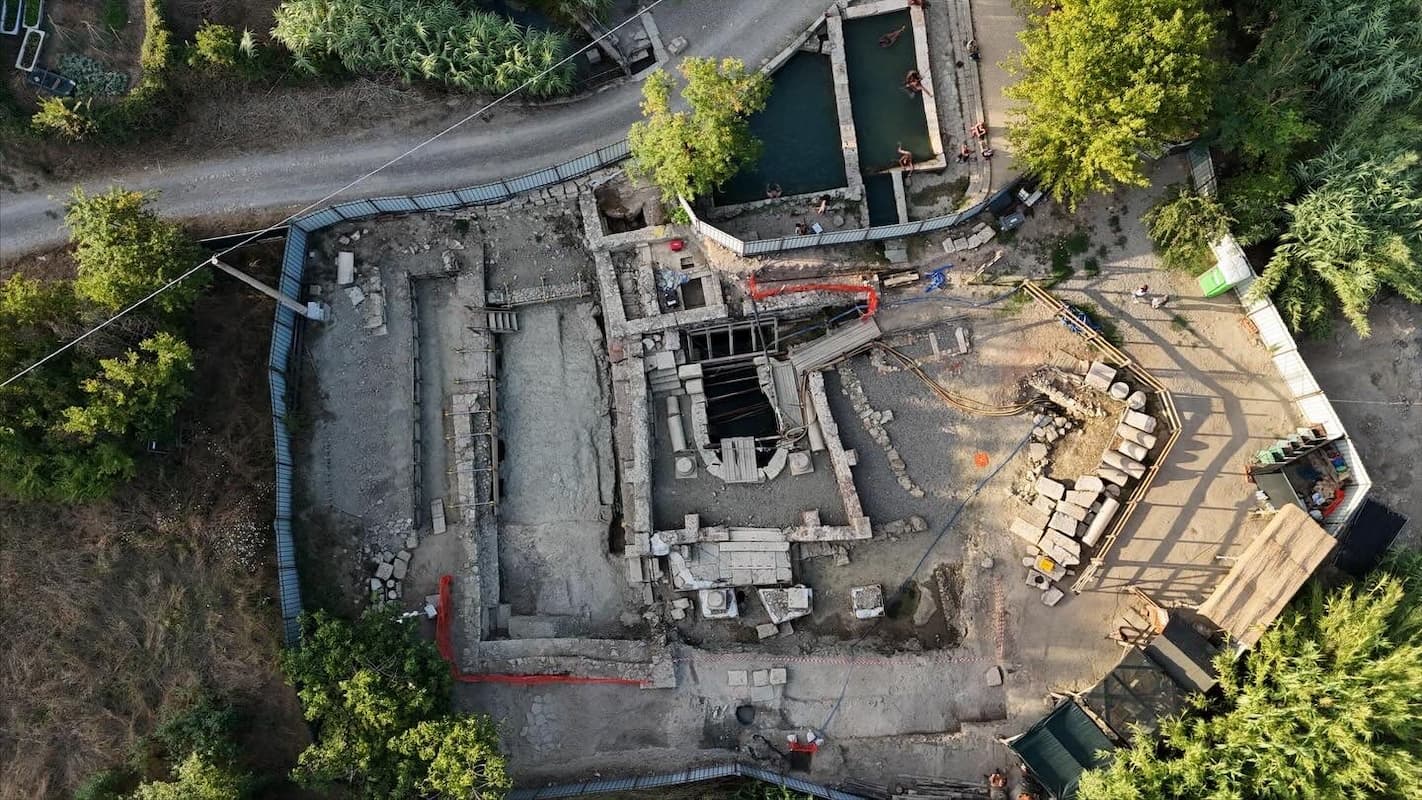
Groundbreaking excavations at the San Casciano sanctuary in Tuscany have revealed a major Etruscan medical school, reshaping our understanding of ancient medicine with unique anatomical models.
Archaeologists in India have unearthed the nation’s largest ancient labyrinth, a 2000-year-old stone marvel in Maharashtra used to guide Roman merchants along trade routes.
A star’s death 400 million light-years away provides stunning proof of Einstein’s frame-dragging, as its plunge into a black hole shows spacetime twisting in real time.
Archaeologists reexamining a 2000 year old Roman gypsum sarcophagus from York discovered preserved handprints, textiles, and potential DNA, revealing intimate rituals.
Astronomers using NASA’s TESS data discover that aging stars are systematically destroying their own planets, offering a glimpse into Earth’s ultimate fate in 5 billion years.
Archaeologists have discovered 1,400-year-old tattoos on toddlers in medieval Nubia. This finding reveals ancient Christian rituals and medicinal practices in Sudan.
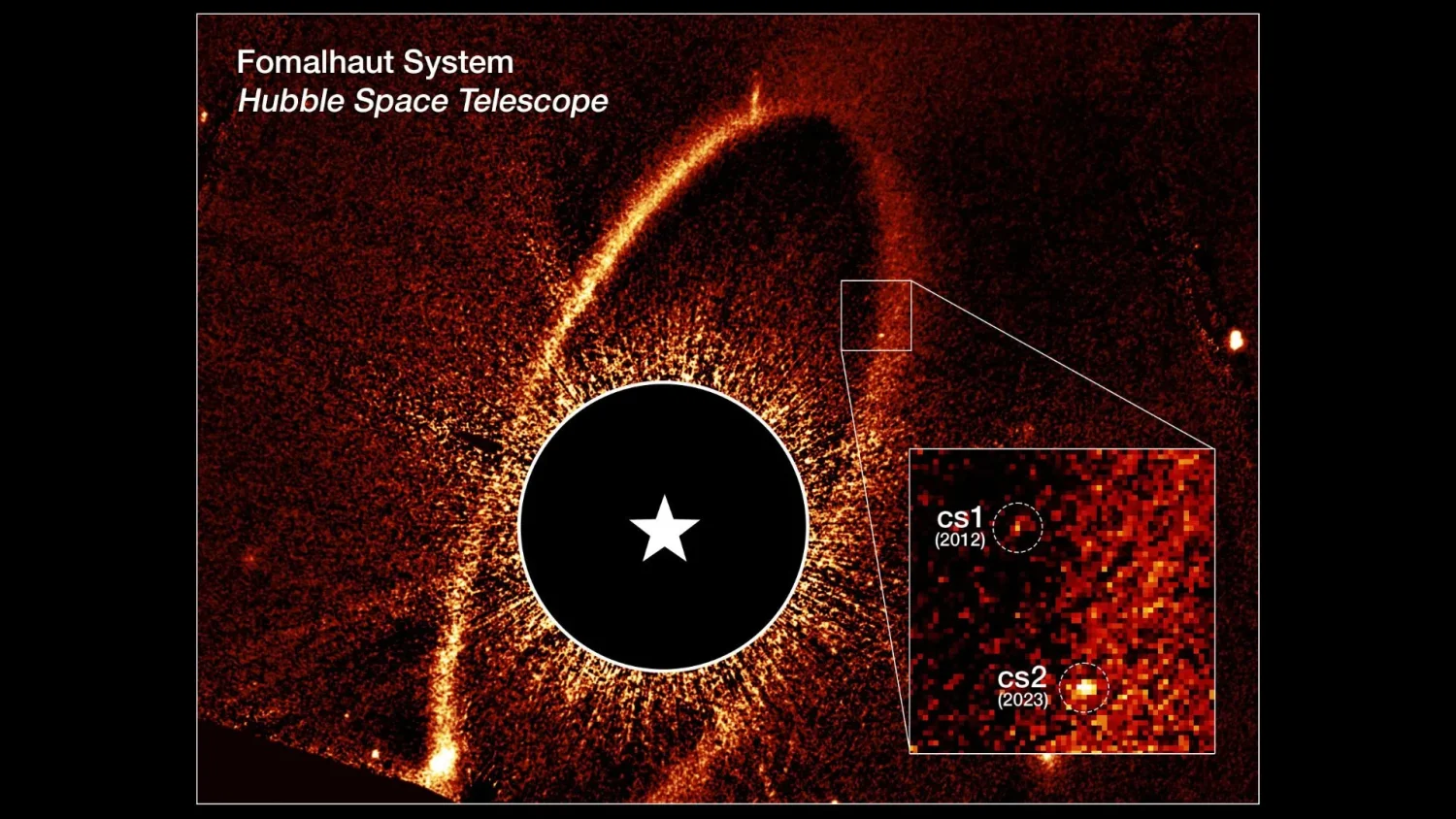
Astronomers witness two colossal planetesimal collisions around Fomalhaut, the ‘Eye of Sauron’ star, offering a rare glimpse into the chaotic birth of solar systems.
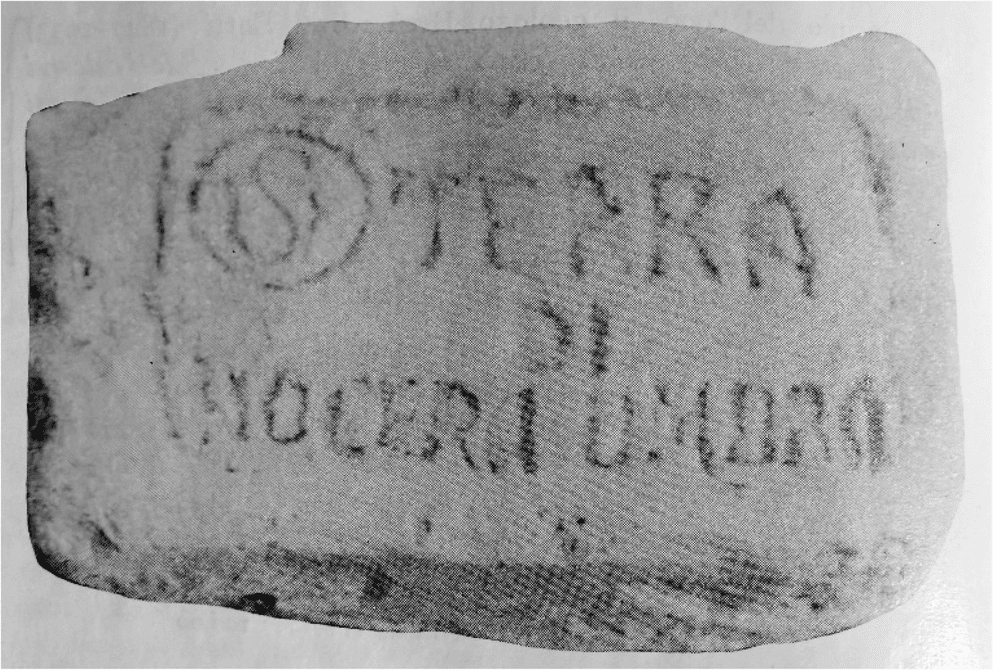
Scientists have solved a 2,000-year-old mystery, identifying a unique Italian clay as the ‘creta umbrica’ praised by Pliny the Elder for its use in Roman industry.
A newly discovered rock carving in Iran reveals a startling connection to the Greek myth of Hercules and the Hydra, showcasing ancient cultural exchange. Explore the find.