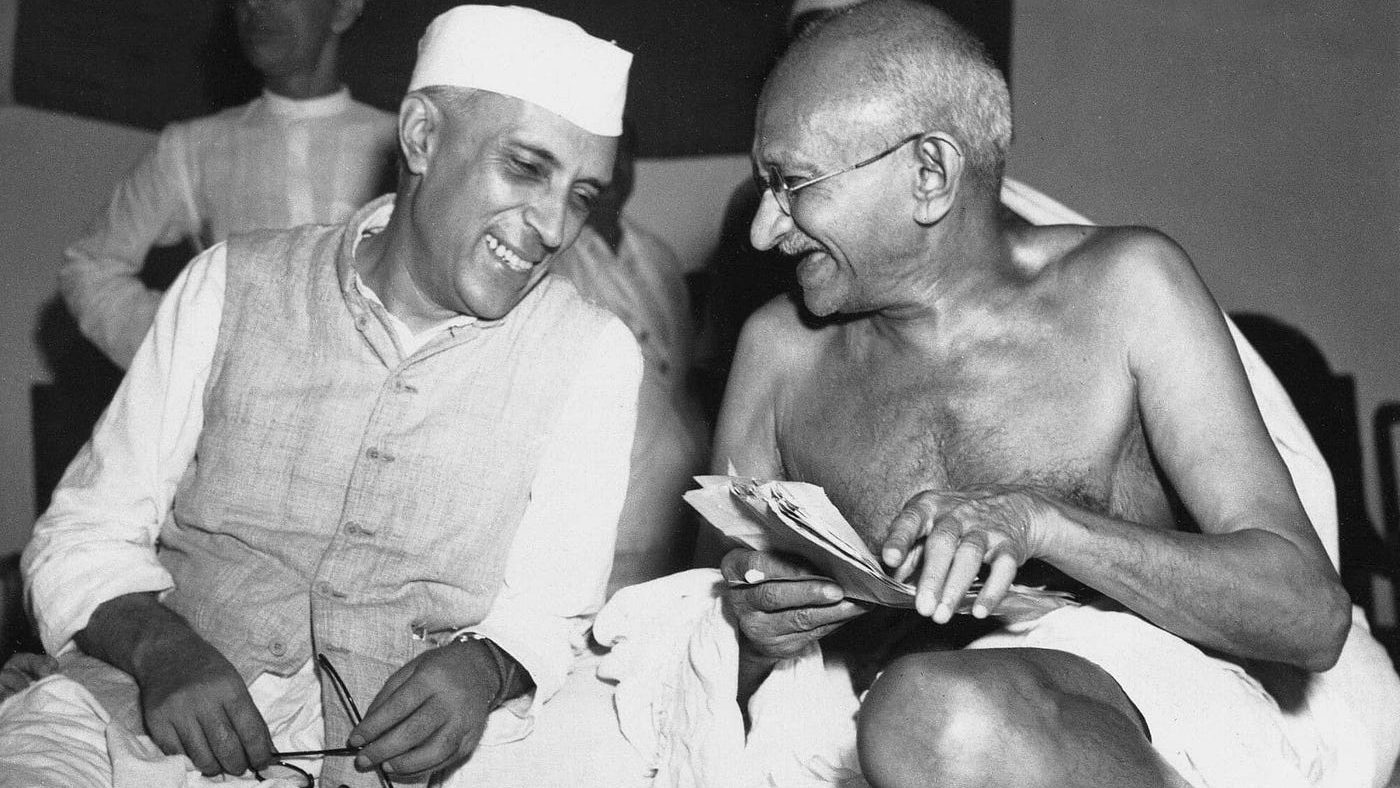
Jawaharlal Nehru was the first Prime Minister of India, serving from 1947 until his death in 1964. He is often considered one of the most important figures in Indian history, but his legacy is a matter of debate. While some people view Nehru as a visionary leader who laid the foundation for India’s modernization and growth, others criticize him for his economic policies and foreign policy decisions.
One of Nehru’s most important decisions was his focus on industrialization and state-led economic development. He believed that the government had a responsibility to promote economic growth and reduce poverty, and he implemented a series of policies to achieve these goals. One of the key measures was the establishment of public sector enterprises, which were intended to create jobs and generate revenue for the government. However, some economists argue that these policies were misguided and led to inefficiencies and corruption.
Nehru was also committed to promoting secularism and religious tolerance in India. He believed that all Indians should be treated equally, regardless of their religion, and he implemented policies to protect minority communities. However, his handling of the Kashmir issue remains controversial. Some historians argue that his decision to grant special status to Kashmir and allow it to have its own constitution and flag contributed to the ongoing conflict in the region.
Despite his flaws, Nehru was widely respected for his leadership and commitment to democracy. Historian Ramachandra Guha writes, “Nehru was not a perfect human being, but he was an extraordinary one. He had many flaws, but he also had many virtues. He was a product of his times, but he was also a creator of his times.”
Economist Amartya Sen has also praised Nehru’s contributions to Indian democracy, stating that “Nehru’s commitment to democracy and social justice was essential in establishing India’s democratic institutions.”
However, there are also criticisms of Nehru’s legacy. Historian Arundhati Roy argues that “Nehru’s commitment to secularism was genuine, but it was also flawed. He failed to protect the rights of Kashmiri Pandits, which is a blot on his legacy.”
One of the most significant events during Nehru’s tenure as Prime Minister was the 1962 border war with China. The war was a humiliating defeat for India, and it exposed weaknesses in the country’s military and foreign policy. Some critics argue that Nehru’s policy of non-alignment and his focus on domestic development prevented India from building stronger alliances with other countries, which could have helped to prevent the conflict with China.
In conclusion, Nehru’s legacy is complex and multifaceted. He made significant contributions to India’s economic development and democratic institutions, but he also made mistakes and faced criticism for his policies. While some view him as a visionary leader, others believe that his decisions had negative consequences for the country. Ultimately, the impact of Nehru’s tenure as Prime Minister is a matter of interpretation and debate.
What you think: Was he a good leader?
Sources:
Guha, Ramachandra. “Jawaharlal Nehru: A Centenary Tribute.” India International Centre Quarterly, vol. 24, no. 3, 1997, pp. 37-50.
Sen, Amartya. “The Argumentative Indian: Writings on Indian History, Culture and Identity.” Penguin Books, 2005.
Roy, Arundhati. “The Doctor and the Saint: Caste, Race, and Annihilation of Caste.” Haymarket Books, 2014.