
You might never have considered it, but a surprising truth lies within your own body, a silent process that could be profoundly influencing your well-being. The astonishing reality of how long waste material remains inside you is far more significant than a mere bodily function; it’s a crucial determinant in the complex tapestry of your overall health. Recent groundbreaking research has unveiled a compelling connection between the transit time of waste products through our digestive system and a spectrum of health outcomes. Scientists are increasingly recognizing that the speed at which our bodies eliminate what’s no longer needed is not just a minor detail of digestion but a critical factor in understanding everything from gut health to broader physiological balance. This revelation, brought to light by studies reported by outlets like ScienceAlert, challenges previous assumptions and underscores the intricate dance happening within our gut, highlighting that extended internal journeys for these waste materials might carry unforeseen implications for vitality and disease prevention. To truly grasp the gravity of this discovery, we must first appreciate the remarkable efficiency of our digestive system. The digestive process, an incredible feat of biological engineering, meticulously breaks down food, extracting vital nutrients for energy and growth. What remains is a complex concoction of undigested food particles, fiber, water, and an enormous population of microorganisms. This residual material embarks on its final, critical journey through the large intestine. The duration of this passage, termed gastrointestinal transit time, is highly individual, influenced by myriad factors including dietary fiber intake, hydration levels, physical activity, and even our mental state. Within the vast expanse of our gut resides the microbiome, a bustling metropolis of trillions of bacteria, viruses, fungi, and other microbes. This intricate ecosystem is far more than a simple processing plant; it actively participates in immune regulation, metabolizes compounds that human enzymes cannot, and produces essential vitamins. When waste lingers in the large intestine for extended periods, this delicate balance can be subtly, yet significantly, disrupted. What if this extended internal journey allows for more than just the routine reabsorption of water, potentially creating an environment where undesirable compounds are more readily reabsorbed, or where the microbial balance shifts in a way that contributes to systemic issues? The answer, as researchers are increasingly understanding, points towards a subtle but profound impact that ripples far beyond the immediate confines of the colon. The latest findings suggest that indeed, when waste materials, particularly stool, spend an extended period in the large intestine, several critical physiological changes can ensue. The increased exposure of the colon lining to byproducts of bacterial fermentation, some of which can be irritating or even toxic in high concentrations, becomes a significant concern. Moreover, a sluggish transit can fundamentally alter the composition of the gut microbiome, potentially leading to a reduction in the diversity and abundance of beneficial bacteria, which are crucial for gut barrier integrity and immune modulation. Simultaneously, there can be an increase in species associated with inflammation or other adverse effects. Researchers, through meticulous studies published in journals like Science and Nature, have observed that individuals experiencing consistently slower transit times may exhibit altered metabolic profiles. These alterations have been linked to a higher incidence of conditions such as irritable bowel syndrome, certain inflammatory bowel diseases, and broader metabolic dysregulation, including aspects of cardiovascular health. The gut barrier, a crucial single layer of cells that acts as a gatekeeper, preventing undesirable substances from entering the bloodstream while allowing essential nutrients through, is also intimately tied to transit time. A compromised barrier, often metaphorically described as ‘leaky gut,’ could allow bacterial components, toxins, and undigested food particles to cross into the systemic circulation, triggering widespread immune responses and chronic low grade inflammation throughout the body. This intricate interplay between the speed of elimination, the health of the gut microbiome, and systemic inflammation is precisely what the latest scientific inquiries are meticulously unraveling. Ongoing research, with significant contributions from institutions like Harvard University and the Max Planck Institute, continues to deepen our understanding of these mechanisms. They are exploring how microbial metabolites, the compounds produced by gut bacteria, can either protect or harm our bodies depending on their concentration and the duration of exposure to the host. This growing body of evidence strongly suggests that maintaining a regular and efficient digestive rhythm is not merely about comfort or regularity; it is, in fact, a fundamental pillar of sustained wellness, influencing everything from nutrient assimilation and hormonal balance to our immune resilience and mental clarity. The silent journey of waste within us, therefore, holds truly profound and far reaching significance for our long term health and vitality, deserving of our thoughtful attention. In a world where we often focus on external factors for well-being, this research gently pulls our gaze inward, reminding us of the profound impact of our body’s silent, internal rhythms. It encourages a deeper appreciation for the delicate balance that sustains us, urging us to listen more closely to our own physiology and to consider how simple, everyday choices can orchestrate a symphony of health from within.
Related Posts
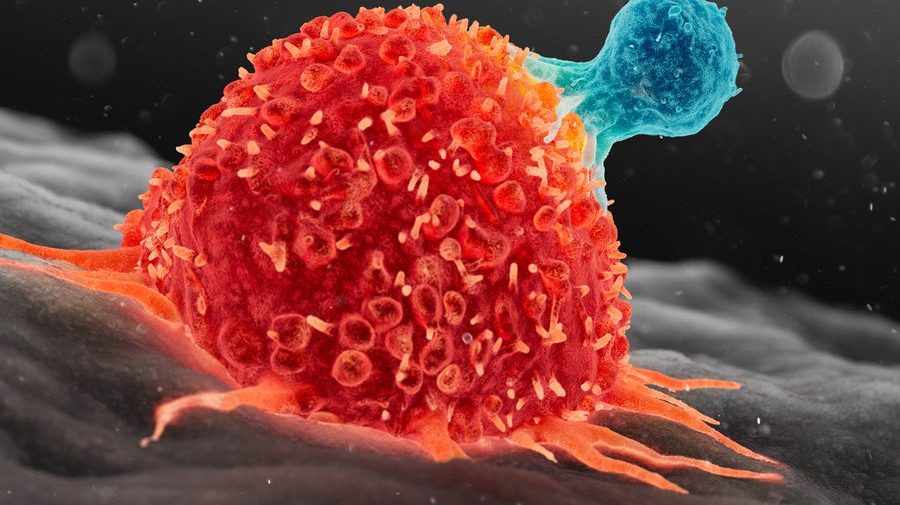
Killing Cancer with Ice? New Tech Improves Cryosurgery Like Never Before
Discover how freezing-activated covalent organic frameworks are revolutionizing cryosurgery by illuminating cancer cells under freezing conditions, enhancing surgical precision.

A Plastic Brain? Scientists Detect Alarming Levels of Microplastics in Human Tissue
Recent studies reveal alarming levels of microplastics in human brains, raising concerns about potential health risks and emphasizing the need for strategies to reduce exposure.
The Silent Epidemic: Why Colon Cancer is Striking Young Adults at an Alarming Rate
A terrifying health crisis is quietly unfolding in our communities, a silent epidemic that has begun to target the very…