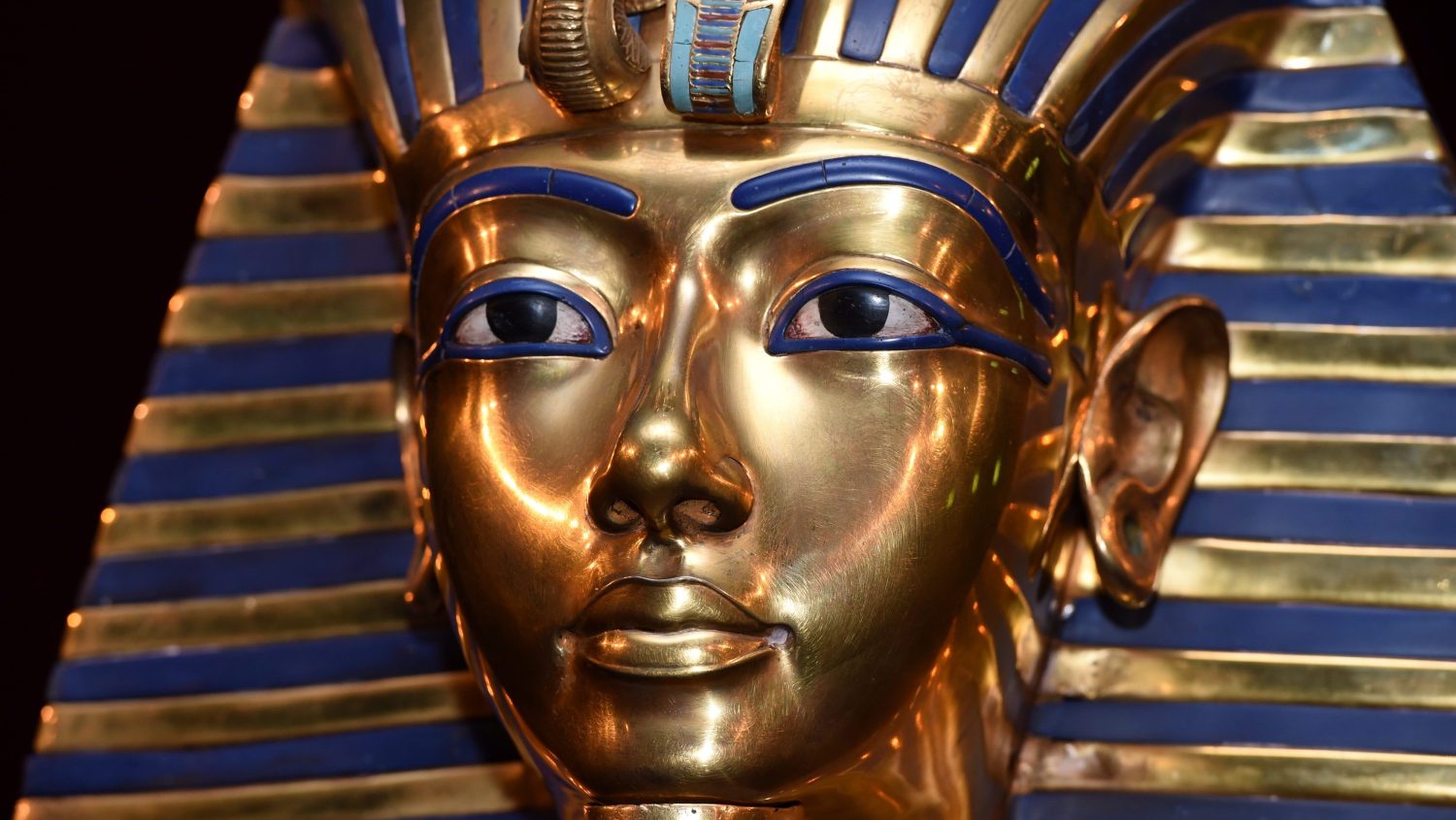
The curse of the mummies is a folk belief that those who disturb the tombs of the dead will be met with misfortune or death. This belief has been around for centuries, and it has been popularized by movies, books, and other forms of media.
One of the most well-known cases of the curse of the mummies is the death of Lord Carnarvon, shortly after the opening of Tutankhamun’s tomb in 1922. Carnarvon died of a blood infection, and some people believe that he was cursed by the pharaoh. However, there is no evidence to support this claim.
There are other cases that have been cited as evidence of the curse of the mummies, but these cases can also be explained by natural causes. For example, one person who died after entering a tomb was found to have a high level of arsenic in his body. Arsenic is a poison that can be found in some tombs, and it is possible that this person was poisoned by the arsenic.

In conclusion, there is no evidence to support the existence of the curse of the mummies. The deaths of those who have disturbed the tombs of the dead can be explained by natural causes. However, the belief in the curse of the mummies is a popular myth that has persisted for centuries.
The Science Behind the Curse of the Mummies
There is no scientific evidence to support the existence of the curse of the mummies. However, there are some possible explanations for the deaths of those who have disturbed the tombs of the dead.
One possible explanation is that the tombs are contaminated with harmful bacteria or fungi. These bacteria and fungi can cause respiratory infections, skin infections, and other health problems. In some cases, these infections can be fatal.
Another possible explanation is that the tombs contain poisonous gases. These gases can be released when the tombs are opened, and they can cause respiratory problems and even death.
It is also possible that the deaths of those who have disturbed the tombs of the dead are simply coincidences. There have been thousands of people who have worked in the field of Egyptology, and only a small number of them have died. It is possible that these deaths are simply due to chance.
The Role of Fungi
In recent years, scientists have discovered that fungi may play a role in the deaths of those who have disturbed the tombs of the dead. One type of fungus that has been found in ancient Egyptian tombs is Aspergillus flavus. Aspergillus flavus is a type of mold that can produce aflatoxins, which are a group of toxins that can cause liver damage and cancer. Aflatoxins have been found in the bodies of some mummies, and it is possible that these toxins contributed to the deaths of some of those who disturbed the tombs.

In addition to Aspergillus flavus, other fungi have also been found in ancient Egyptian tombs, including Aspergillus niger, Aspergillus terreus, and Aspergillus fumigatus. These fungi can also cause respiratory infections and other health problems.
The presence of fungi in ancient Egyptian tombs is a reminder of the dangers of disturbing these tombs. It is important to take precautions when working in these tombs, such as wearing protective clothing and using respiratory protection.
Conclusion
There is no evidence to support the existence of the curse of the mummies. However, the deaths of those who have disturbed the tombs of the dead may be due to the presence of harmful fungi in these tombs. It is important to take precautions when working in these tombs to avoid exposure to these fungi.