The Poop That Powers the Ocean: Nature’s Hidden Climate Machine
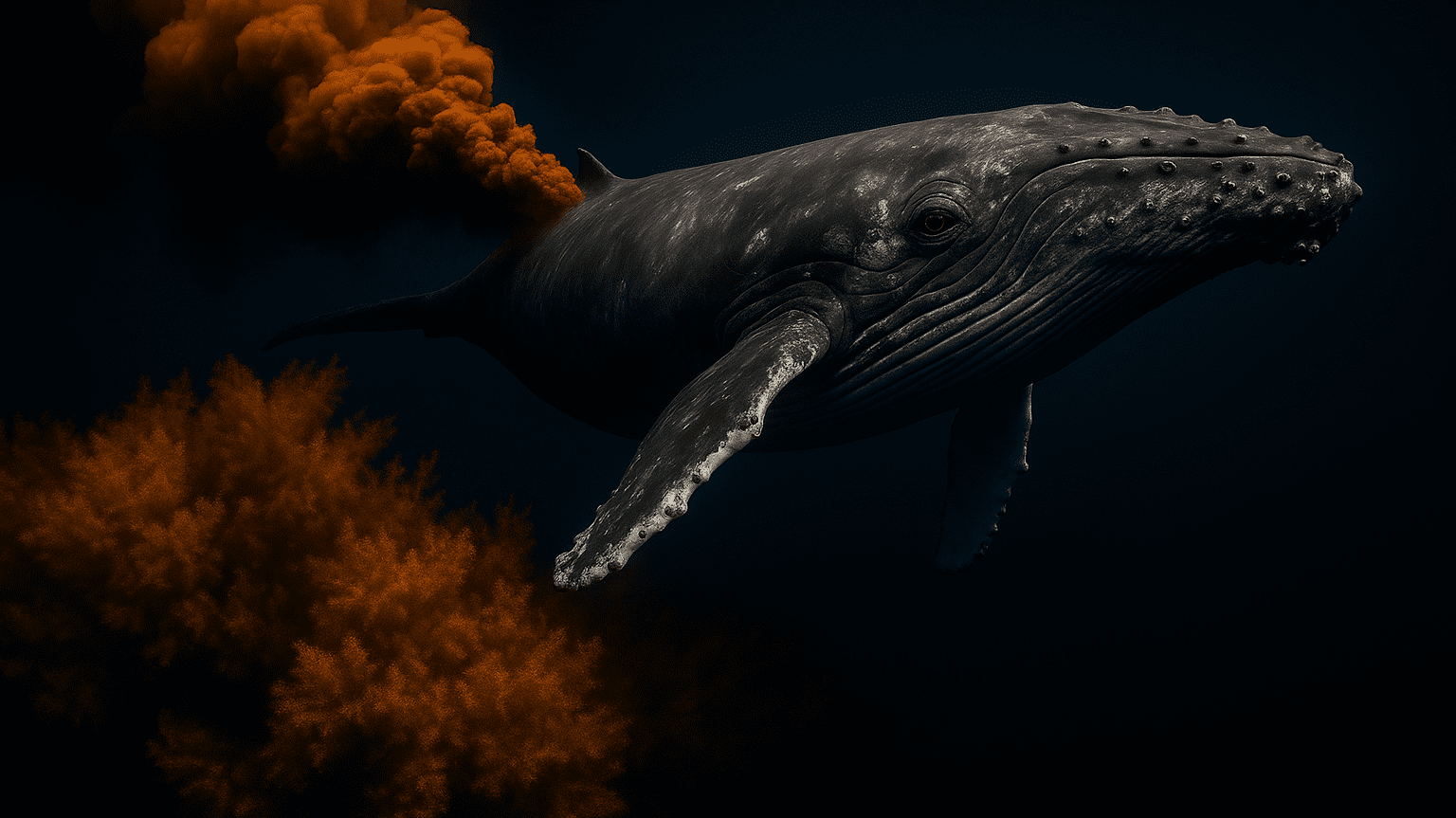
Whale poop fuels ocean life and fights climate change. Discover how saving whales may help save the planet. Nature’s secret weapon is hidden in plain sight.

Know Something Relevant
Whale poop fuels ocean life and fights climate change. Discover how saving whales may help save the planet. Nature’s secret weapon is hidden in plain sight.
A new study reveals that activating the brain’s self-cleaning system, autophagy, may unlock faster, more effective treatments for depression.
New study reveals Malta’s first settlers were seafaring hunter-gatherers—not farmers—arriving 1,000 years before agriculture. A bold chapter in human history.
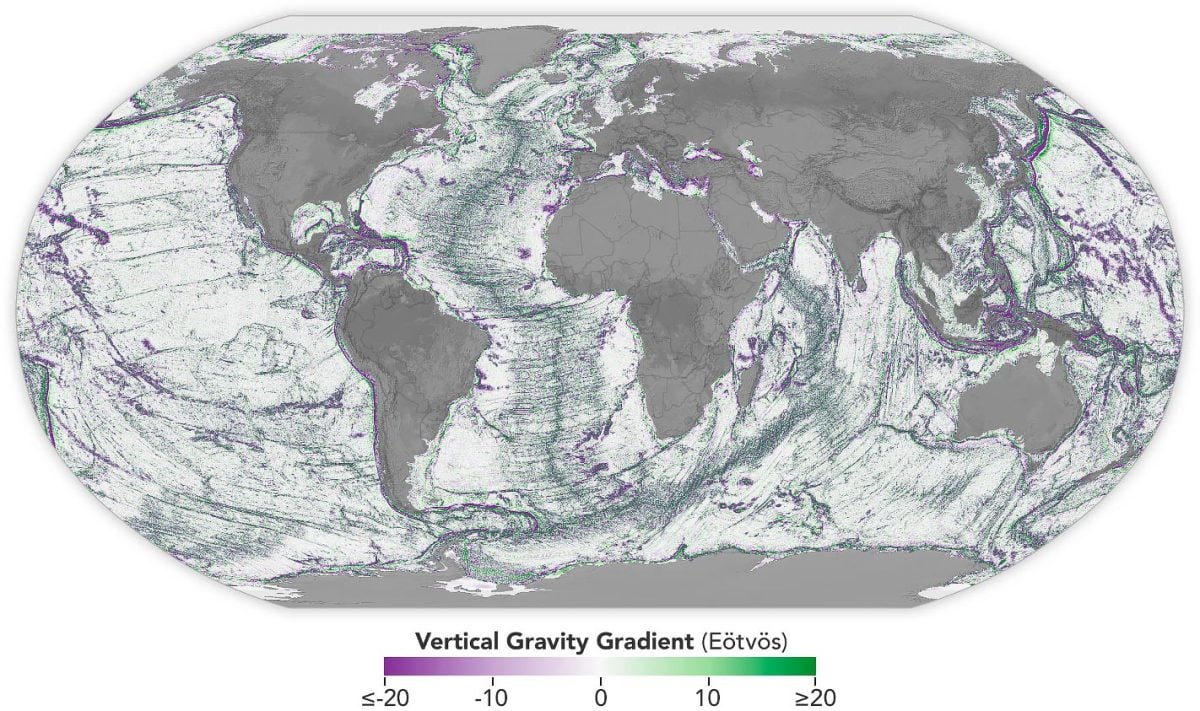
NASA’s SWOT satellite is mapping the ocean floor from space, revealing underwater mountains and aiding the global Seabed 2030 mapping mission.
Discovered in Germany’s Hohle Fels cave, this 40,000-year-old mammoth ivory bird sculpture reveals the symbolic genius of early Homo sapiens in Ice Age Europe.
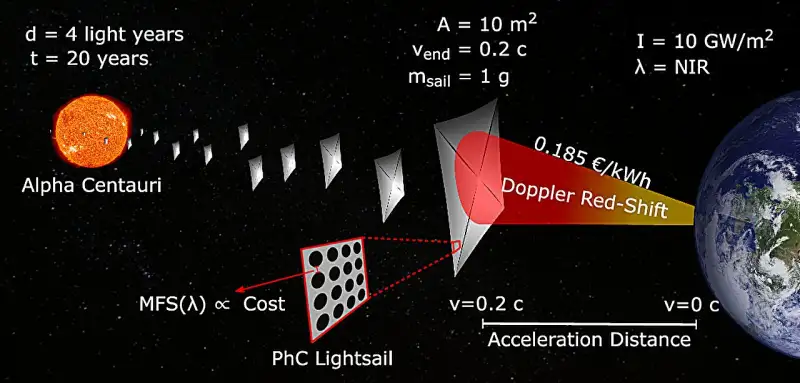
A new AI-optimized lightsail from Brown and TU Delft may power interstellar travel, pushing probes to 20% light speed using photons alone.
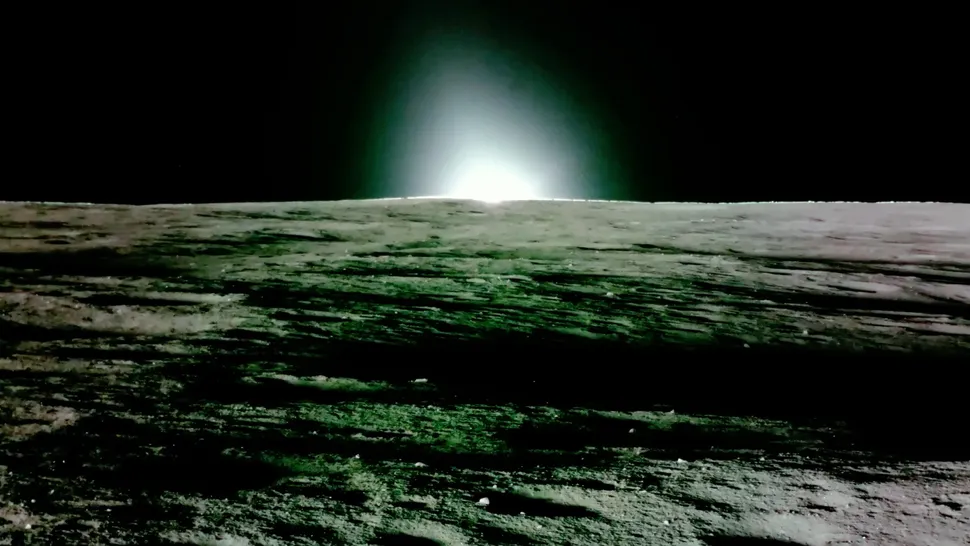
NASA’s Blue Ghost mission captured the first high-definition lunar sunset images, advancing lunar exploration through science, tech, and commercial partnership.
Hidden for 30,000 years, France’s Grotte de Cussac reveals prehistoric engravings and human burials, offering rare insights into the spiritual world of early humans.
A 2,000-year-old Greek tomb near Corinth, later transformed into a healing shrine, reveals an Apollo ring and ritual artifacts, shedding light on ancient medicine and spirituality.
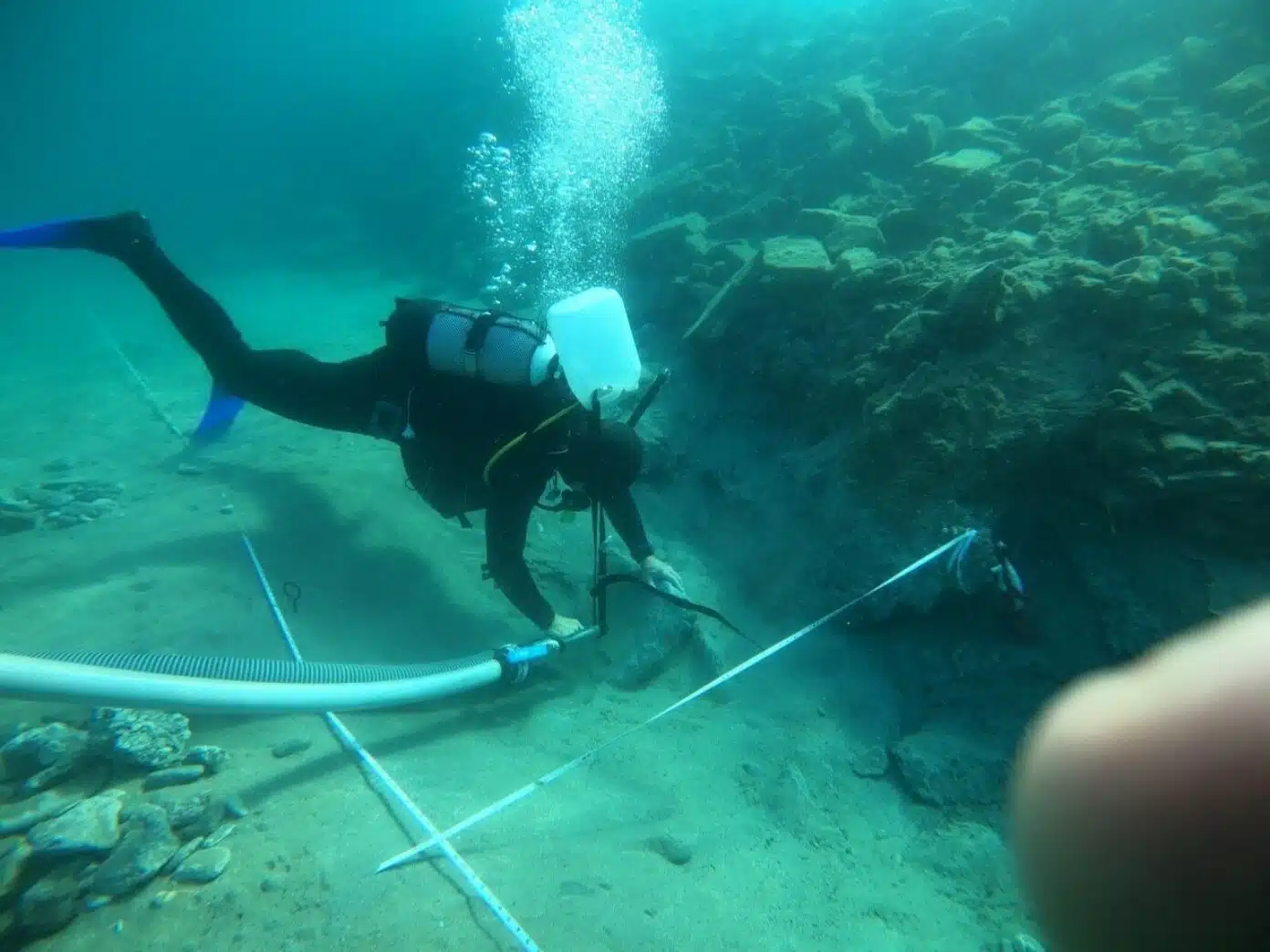
A newly discovered submerged ancient port in Asini, Greece reveals hidden maritime infrastructure, trade connections, and insights into Greece’s seafaring past.
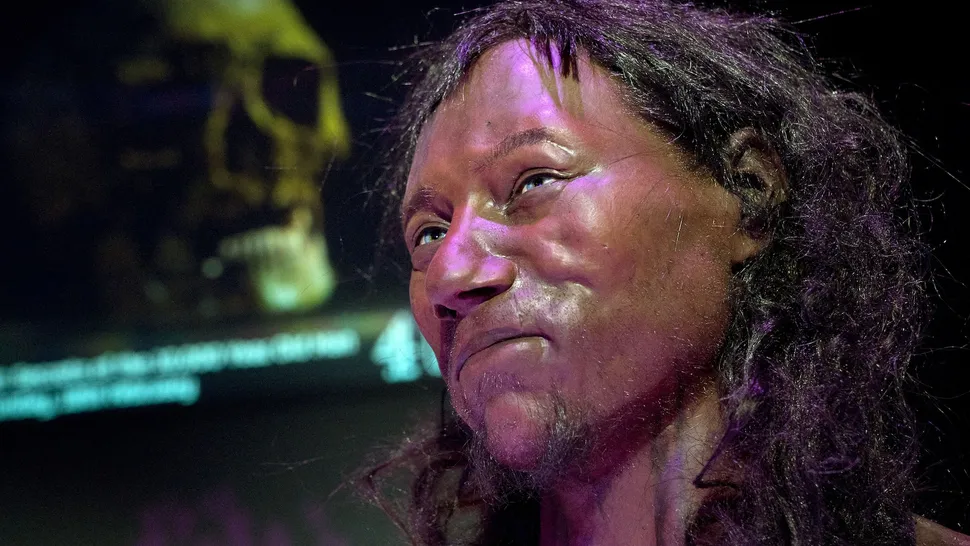
A new study reveals that most prehistoric Europeans had dark skin, hair, and eyes until 3,000 years ago, challenging long-held assumptions about ancient European pigmentation.
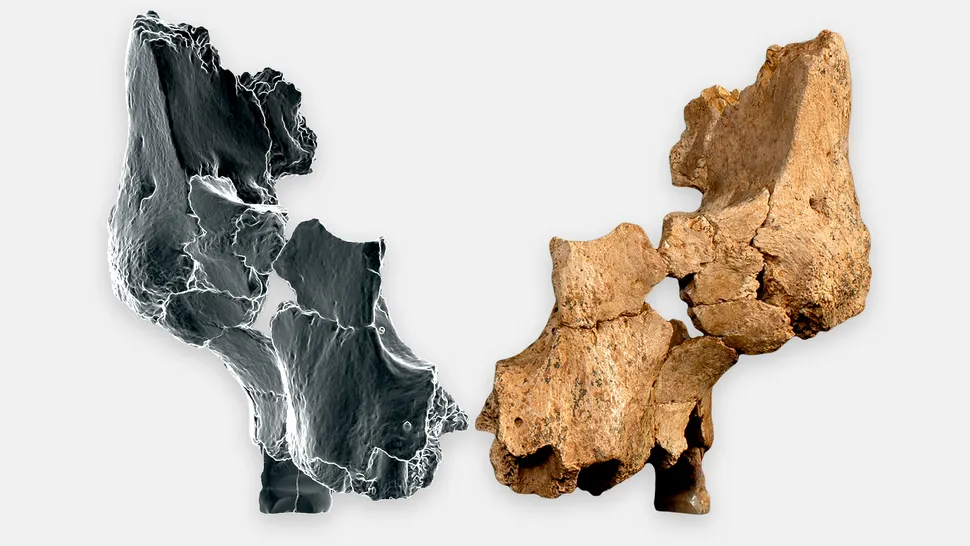
A 1.4-million-year-old fossil discovered in Spain’s Sima del Elefante cave reveals the earliest known human face in Western Europe, challenging previous migration theories.
Earthquakes occur due to the movement of tectonic plates, and certain areas of the world are more prone to seismic activity than others. The Pacific Ring of Fire is the most earthquake-prone region globally, but other regions, including the Himalayas, the Middle East, and parts of Europe, are also susceptible. As we have seen with recent earthquakes, being prepared for these natural disasters is essential to minimize the damage and protect human life.